info@three6ixty.co.za
 +27 64 525 7978
Custom branded products for corporate campaigns are easy to get wrong when every item is sourced separately.
A campaign may begin with a strong idea, but if the merchandise, print, displays, gifting, clothing, and digital assets are handled in different places, the final rollout can start to feel disconnected. The message may shift. Artwork may vary. Timelines may clash. What should feel like one clear campaign can end up looking like several separate projects.
For corporate teams, the goal is not simply to order branded products. The goal is to create campaign touchpoints that carry the same message, follow the same corporate identity, and arrive ready for the moment they are meant to support.
Start With the Campaign Message
A strong campaign does not start with the question, “What can we put our logo on?”
It starts with what the audience needs to notice, understand, feel, or remember.
Once that message is clear, branded products become part of the communication strategy. A premium client gift, event giveaway, printed piece, staff item, or display asset should not be chosen because it is available. It should be chosen because it helps the campaign land.
The right solution depends on the audience, budget, artwork, quantity, timeline, production requirements, and campaign environment. A high-volume activation may need practical promotional merchandise that is easy to hand out and understand. A relationship-focused campaign may need a more considered gift with stronger packaging and a subtler brand presence.
The product should earn its place in the campaign.
Why Campaign Collateral Becomes Fragmented
Campaign execution becomes harder when every touchpoint moves through a different process.
Print may be briefed separately from gifts. Display material may follow another timeline. Apparel may be approved by a different department. Digital assets may be created after the physical materials have already gone into production.
By the time everything arrives, each item may look acceptable on its own, but the campaign as a whole can feel uneven.
Common issues include artwork variations, unclear quantities, missed handovers, inconsistent finishes, and materials that do not feel like they belong to the same campaign. For marketing teams already managing approvals, venues, stakeholders, suppliers, and deadlines, these gaps create unnecessary pressure.
Centralised branding solutions help bring the moving parts into one clearer process.
One Branding Company. Every Channel Covered.
Plan Merchandise Around One Campaign Idea
Promotional campaign merchandise should make the campaign idea more tangible.
If the campaign is about innovation, the item, packaging, message, and supporting print should feel current and considered. If the campaign is about staff recognition, the product should feel useful, professional, and appropriate to the internal culture. If the campaign is built around client engagement, the branded item should support the relationship rather than feel like a generic giveaway.
Before confirming any product, the team should clarify the audience, occasion, intended use, artwork requirements, branding method, quantity, approval route, and lead time.
This keeps the decision practical and brand-led.
Launch Campaigns Need Clarity
A launch campaign needs immediate impact.
The branded item, printed piece, display environment, and digital support should all introduce the same message in a simple, recognisable way. Too many competing visuals can dilute the campaign before the audience has even understood it.
For a launch, fewer strong touchpoints are often better than too many disconnected ones. Approved artwork, clear messaging, consistent layouts, and a focused product selection can make the rollout feel planned rather than pieced together.
The audience should not have to work out what the campaign is saying. Every touchpoint should help make the message clearer.
Roadshows and Activations Need Repeatable Consistency
Roadshows and activations put the brand into changing environments.
A team may need to set up in different venues, cities, branches, or event spaces. That means the campaign materials must be practical, portable, recognisable, and consistent from one location to the next.
Mobile displays, pull-up banners, gazebos, flags, signage, printed material, and promotional products should all work together. Branded apparel also plays an important role because it helps people identify the team quickly and keeps staff visually connected to the campaign.
When these elements are planned together, the activation feels more professional and easier to manage.

Staff and Client Campaigns Need More Thought
Internal and client-facing campaigns need careful product decisions.
For staff campaigns, branded products should support recognition, culture, onboarding, or internal communication. The item should feel relevant to the way people work and the message the business wants to reinforce.
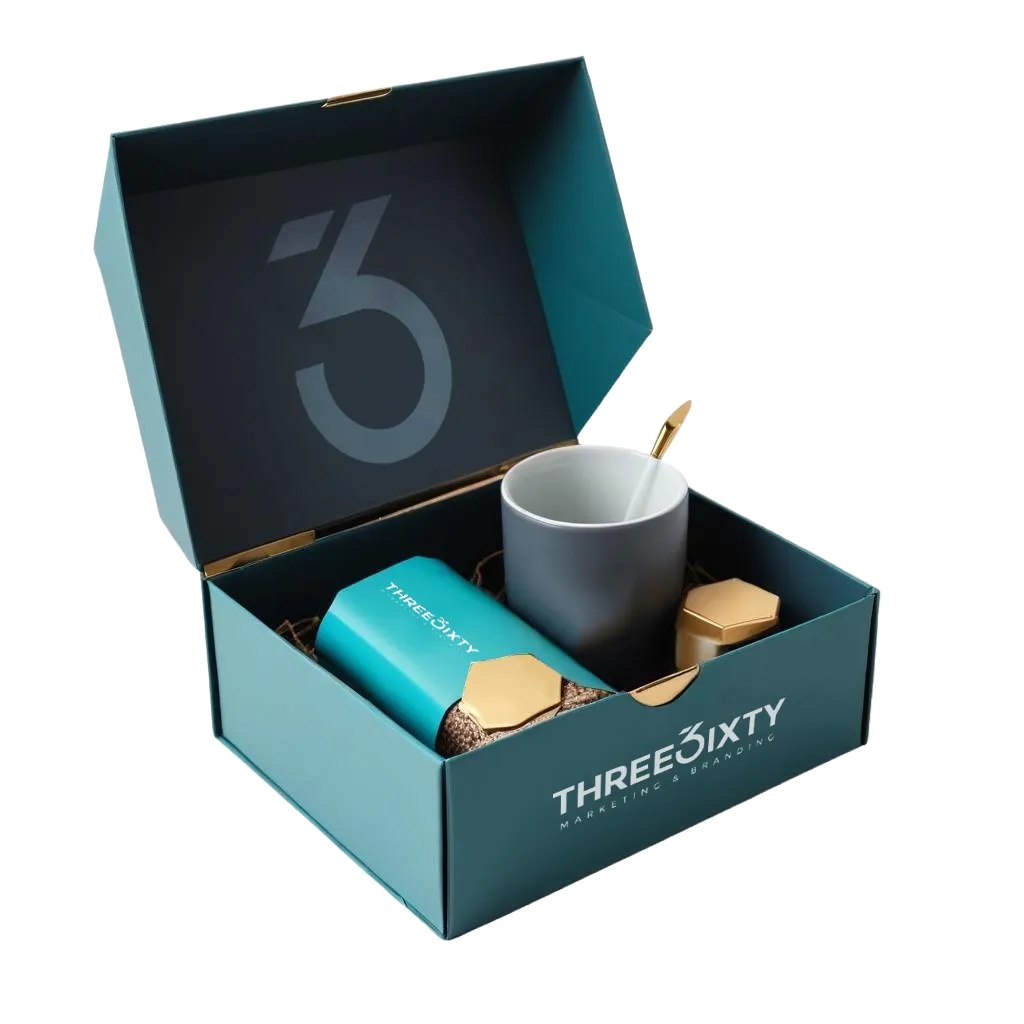
For client engagement campaigns, corporate gifts can keep the brand visible beyond a single meeting, event, or launch. But the gift must suit the relationship. Packaging, presentation, product quality, and brand placement all affect how the campaign is received.
In both cases, the branded product should feel intentional. It should not feel like the logo was added at the last minute.
Build a Campaign Toolkit With Purpose
A campaign toolkit is not a catalogue. It is a selected group of brand-aligned materials built around one campaign objective.
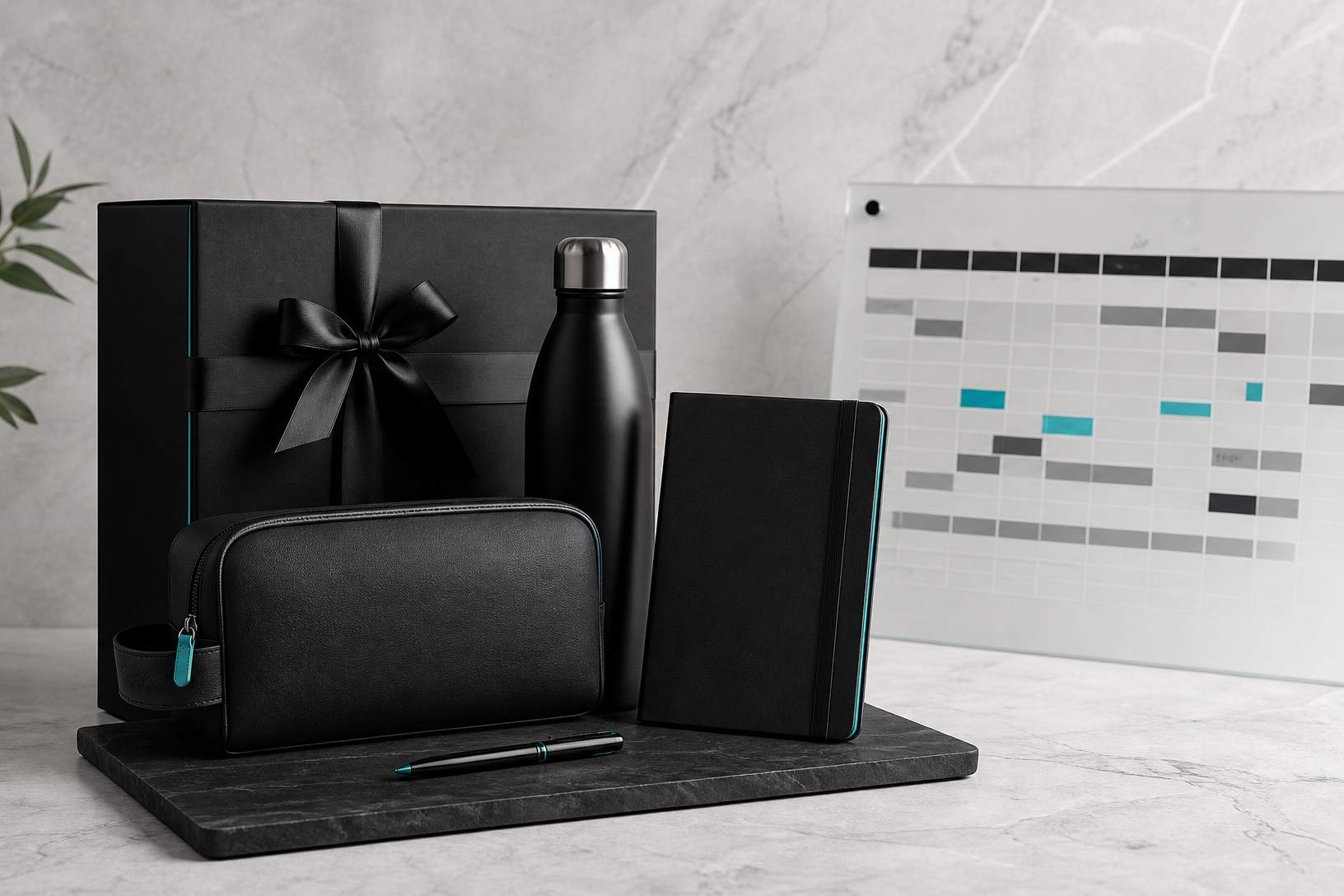
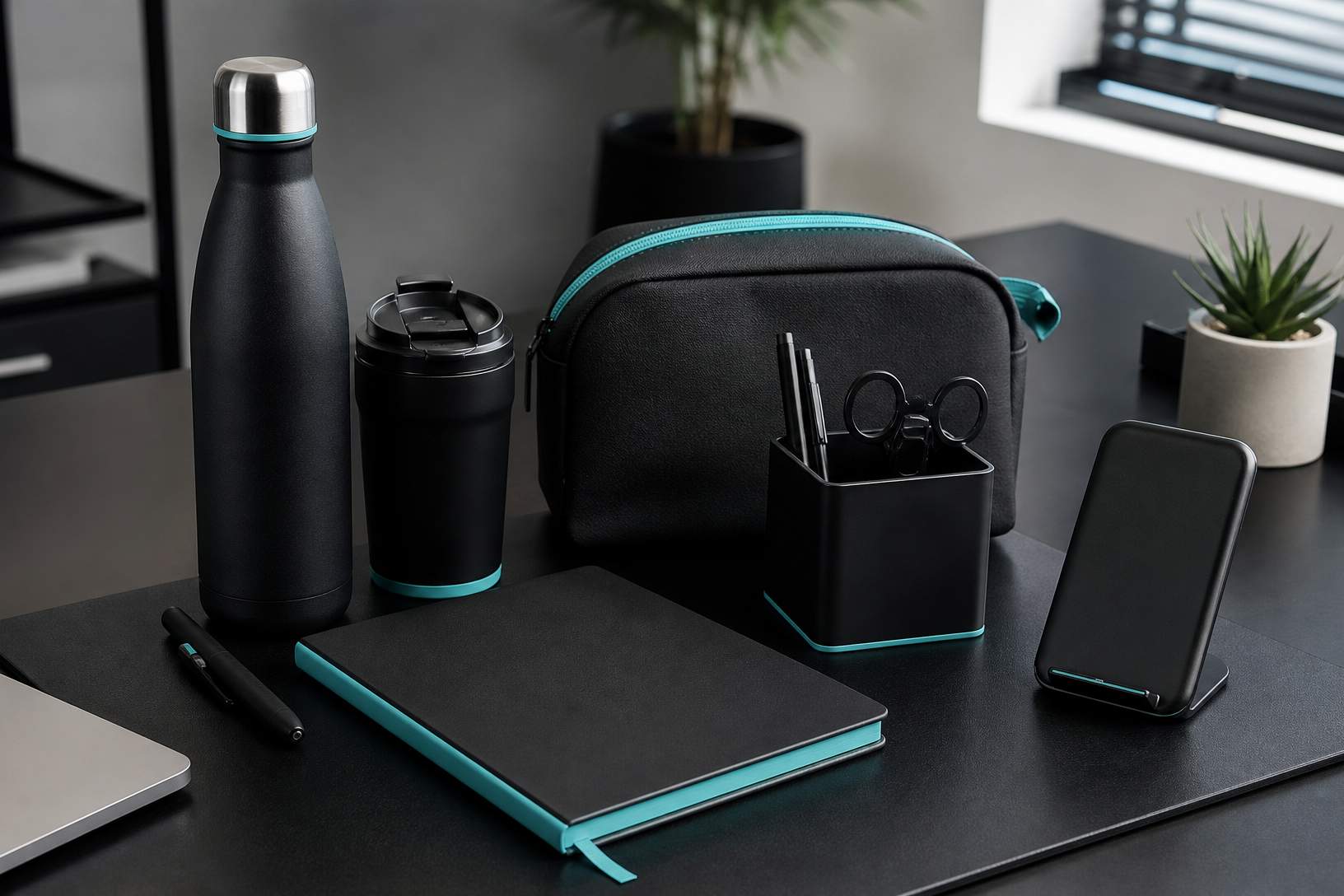
Depending on the brief, the toolkit may include branded merchandise, promotional products, corporate gifts, gift boxes, corporate clothing, branded apparel, mobile displays, signage, printing, campaign collateral, graphic design, custom sourcing, or digital marketing support.
The key is not to use every possible channel. The key is to choose the touchpoints that carry the campaign message clearly.
A good campaign toolkit helps the team answer important questions before production begins. What will the audience receive? What will they see first? What will staff wear or use? What printed material supports the message? What display assets create visibility? What needs to be repeated across locations?
When those answers are clear, the campaign becomes easier to brief, approve, produce, and roll out.
Brief the Details Before Production Begins
A clear brief protects the campaign before anything is made.
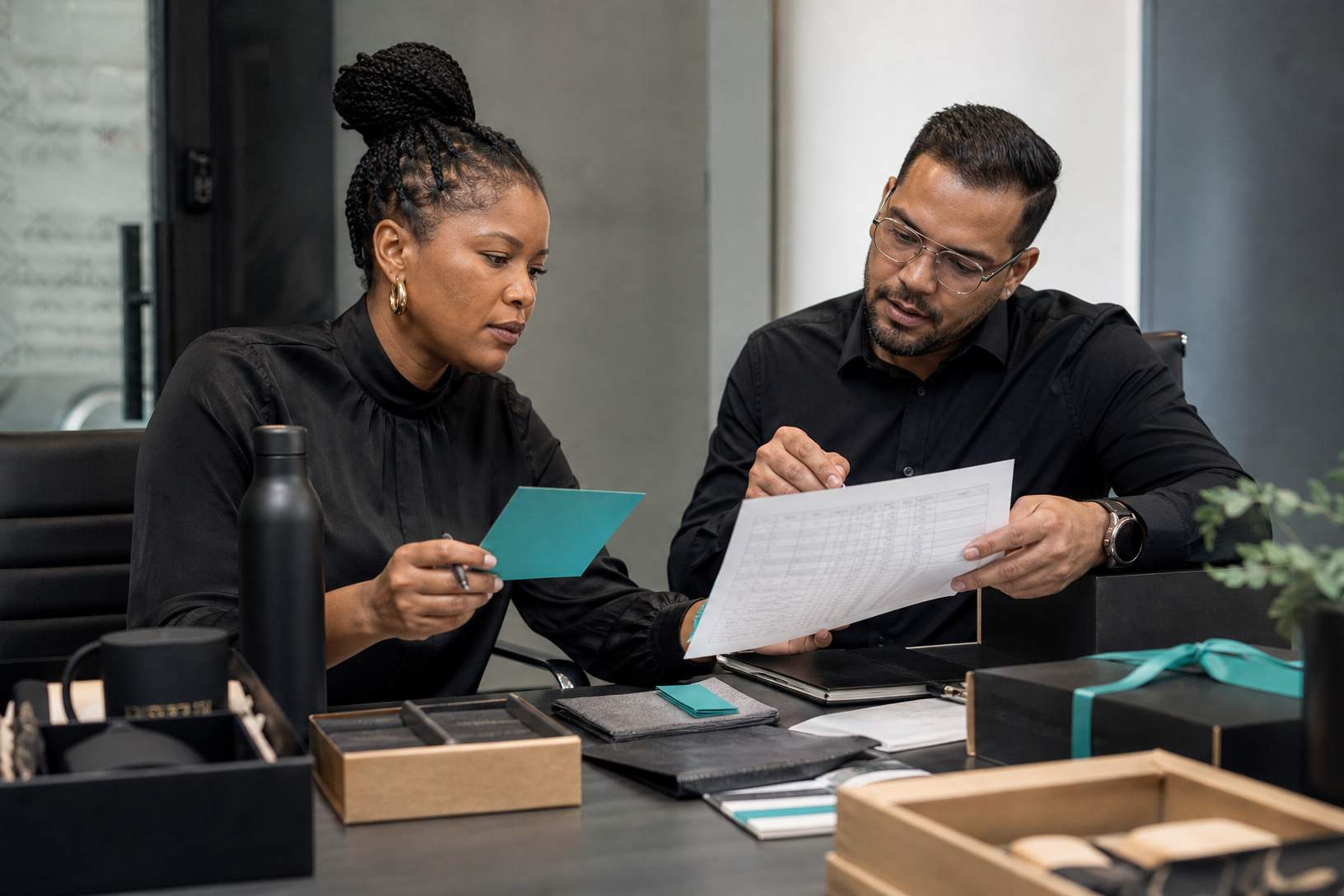
Before production starts, confirm the campaign objective, key message, audience, campaign environment, corporate identity rules, logo usage, colour requirements, approved artwork, proofing process, quantities, delivery points, deadlines, budget range, and final decision-makers.
Print and branding outcomes depend on artwork quality, material, finish, quantity, and production requirements. Product suitability, stock, supplier requirements, branding methods, and lead times should also be confirmed before the campaign plan is locked in.
For broader governance context, the International Organization for Standardization outlines brand evaluation principles that include brand input elements and output dimensions.
This does not make the process slower. It makes the process safer.
A clear brief reduces unnecessary back-and-forth and gives marketing, procurement, design, and production teams the same direction from the start.
Why One Branding Partner Keeps Campaigns Under Control
Working with one branding partner makes it easier to protect corporate identity across multiple campaign materials and environments.
Instead of managing separate suppliers for merchandise, print, displays, gifting, apparel, and design, the team has one point of coordination. This improves communication, reduces duplicated handovers, and gives marketing and procurement a clearer view of the full project.
The value sits in the coordination behind the campaign, not only in the items produced.
Three6ixty is a Johannesburg-based full-service marketing and branding company that supports campaign touchpoints across branded products, print, displays, corporate gifting, apparel, design, digital marketing, and custom sourcing.
The approach is built around a simple idea: Your Brand, One Supplier, Every Solution.
For campaign teams, that means fewer disconnected processes and more focus on building branded experiences that feel connected from the first touchpoint to the last.
Where Promostore Supports Repeat Campaign Ordering
For organisations running recurring campaigns, repeat ordering can become difficult to manage without a central system.
Promostore offers a more structured way to manage approved branded items where it suits the client’s operating model. It can support centralised ordering, stock visibility, reporting, and control for teams that need repeat access to campaign materials without creating new artwork or approval confusion each time.
This kind of systemisation is useful for businesses with departments, branches, or regions that need to work from the same approved brand standard.
One Partner. Total Brand Control.
Questions Teams Ask About Campaign Branding
What should be included in a campaign branding brief?
A strong brief should include the campaign objective, audience, message, corporate identity rules, quantities, deadlines, artwork, budget range, delivery points, campaign environment, and approval process.
How do you choose the right branded products for a campaign?
Start with the campaign message and audience. Then consider product suitability, branding method, quantity, budget, artwork, timeline, and production requirements before making the final decision.
Can merchandise, print and displays be planned together?
Yes. Planning these touchpoints together gives teams a clearer view of artwork, timing, quantities, and message alignment. It also helps the campaign feel more consistent across different formats.
What affects turnaround time for custom branded products?
Turnaround depends on the product, stock, artwork approval, branding method, quantity, supplier requirements, and production process. Timelines should be confirmed for the specific order before campaign dates are finalised.
How can companies keep campaign branding consistent across locations?
Use one approved campaign identity, centralised artwork, clear product and print standards, and a shared brief. A centralised branding partner gives the process more control across locations, departments, and campaign touchpoints.