info@three6ixty.co.za
 +27 64 525 7978
A business card handed over after a good meeting should not feel like an afterthought. The same goes for the flyer on an event table, the notebook opened in front of a client, or the printed profile sent with a proposal. These small items are often handled at the exact moment someone is forming an opinion about the business.
That is why branded stationery South Africa businesses use every day should be planned with more care than quick logo placement. The most useful printed items are chosen for where they will appear, who will use them, and how they connect to the rest of the brand.
Good business printing does not need to be complicated. It does need a clear purpose. Before ordering, it helps to separate office materials, sales touchpoints, event print and campaign pieces so each item has a job to do.
Start With The Moment The Item Will Be Used
A printed item becomes useful when it fits a real business moment. A sales team preparing for client meetings needs materials that are easy to carry, easy to hand over and clear enough to support a conversation. An event team needs print that can be read quickly while people are moving past a stand. Office stationery has a quieter role, but it still shapes how organised the brand feels during everyday work.
This is where planning becomes practical. Instead of asking, “What should we print?”, ask, “Where will this be used?” A business card has to work in a short exchange. A company profile has to carry more detail. A flyer needs one clear message. A diary or notebook may sit in meetings for months, which means the branding should feel considered rather than forced.
Starting with the moment also prevents the wrong item from becoming the default choice. A material that looks impressive on its own may not be the right fit for the meeting, campaign or team using it.
Plan Branded Stationery South Africa Businesses Can Use Daily
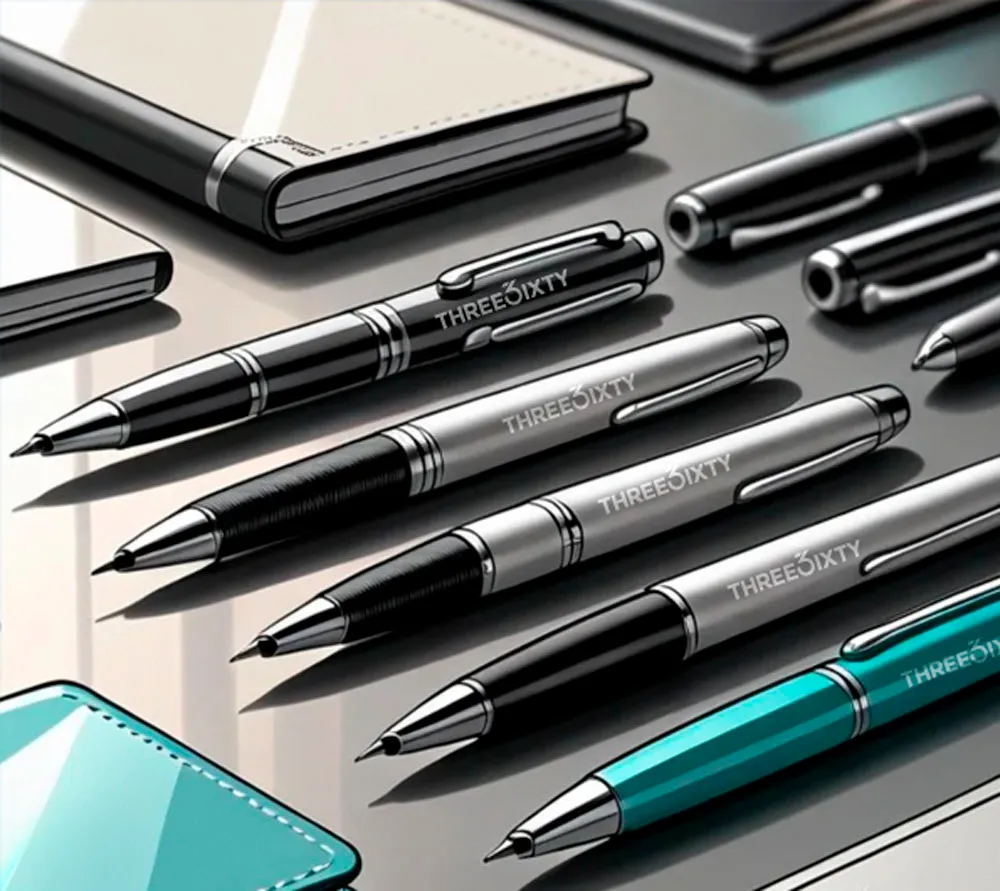
Branded stationery works best when it supports daily business activity without feeling random. In an office, that might mean notebooks used during internal meetings or custom notepads that keep quick notes looking professional. In a client-facing setting, the same items need to sit comfortably alongside proposals, presentations and other printed marketing material.
Useful stationery planning also considers lifespan. Some printed pieces are used once and discarded quickly. Others stay on desks, in bags or in meeting rooms for a longer period. Longer-use items deserve careful artwork checks because small branding mistakes stay visible for longer.
For items that may be kept through the year, custom branded diaries can support both practical planning and brand presence. The key is to make sure the diary design fits the company’s broader visual style instead of feeling separate from other materials.
Business Cards Still Need A Clear Role
Business cards are small, but they carry a lot of pressure. They are often exchanged after a conversation, which means they should make it easy for the other person to remember who they met and how to continue the discussion.
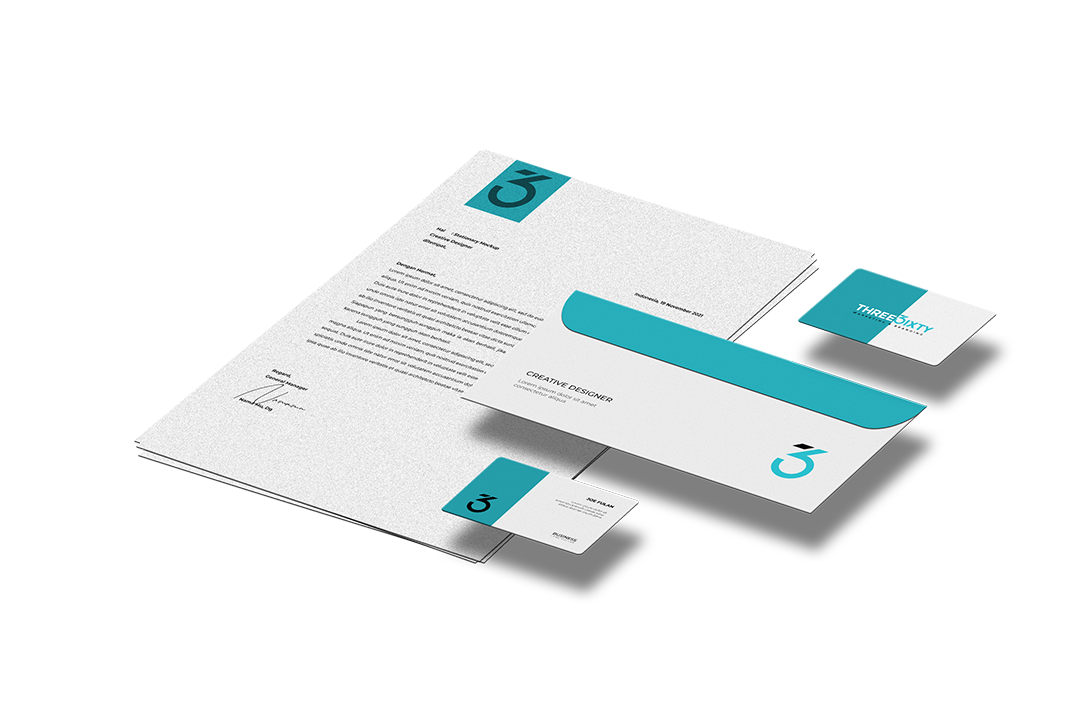
Before arranging business card printing, check whether the details are current, whether job titles are correct, and whether the design matches the rest of the brand. A card that uses old colours or an outdated logo can make the business look less organised, even if the conversation itself went well.
It is also worth deciding who needs cards before ordering. A public-facing salesperson may use them often, while another team member may need them only for specific events. Matching the order to real team activity keeps the print run more deliberate.
Campaign Print Should Be Built Around One Message
Flyers and leaflets are often ordered under pressure because a campaign date is approaching. That is when mistakes happen. Too much text gets squeezed into a small space, the call to action is unclear, or the design does not match the rest of the campaign.
The strongest campaign print usually has one main message. It may introduce an offer, direct people to make an enquiry, or support a launch. It should not try to explain everything the business does. A person receiving a flyer at a busy activation should be able to understand the main point quickly.
For longer-form printed marketing material, brochure printing services can support more detailed communication. A brochure may have room for company information, product notes or service detail, but the same rule still applies: the structure should help the reader move through the information without feeling overloaded.
Artwork Readiness Saves Time Later
A print order can only move smoothly when the artwork is ready enough to use. That means more than having a logo file somewhere in a folder. The logo version, colours, contact details, spelling and layout direction all need to be checked before the order becomes urgent.
For wider print-quality context, Public Services and Procurement Canada’s customer guide to quality printing explains how preparation of original material can support the required quality level.
For branded stationery and business printing, useful artwork checks include:
- Confirming that the current logo is being used.
- Checking names, phone numbers, email addresses and website details.
- Making sure colours and design elements match other brand materials.
- Deciding what message each printed item needs to carry.
These checks are simple, but they can prevent avoidable rework. They also make it easier to keep business cards, flyers, company profiles and office stationery feeling like they belong to the same business.
Quantities Should Match The Real Need
Quantity planning is not only about how many items the business can order. It is about how the material will be used. A campaign with a short active period has a different print requirement from stationery used throughout the year. Event print may need extra copies because items can be handed out quickly, while business cards may need to be divided across specific team members.
It helps to think through the number of people handling the items and the number of people receiving them. If a sales team is attending a trade event, the order should reflect the size of the team, the expected level of interaction and whether printed material will also be placed on a table or included in follow-up packs.
Planning quantities properly also reduces the chance of being left with outdated material. Printed items that include dates, names, campaign messages or specific contact details should be ordered with their lifespan in mind.
Timing Matters More Than People Think
Print planning often gets pushed to the end of a campaign or event checklist. By then, there may be little time to check artwork properly, confirm details or make sure every item works together. Leaving print too late can turn a straightforward order into a stressful one.
The safer approach is to plan printed materials at the same time as the campaign, meeting schedule or event setup. This gives the design and print decisions enough room. It also gives the team time to notice small issues, such as an old email address on a card or a campaign message that does not match the current advert.
This is especially useful for items that need to work across different settings. A calendar may sit in an office for months, while event flyers may be used for a single weekend. Planning both with the right timing avoids rushed decisions and makes the final material feel more deliberate. For year-based planning, personalised calendar printing should be considered early enough for artwork and date-sensitive details to be checked carefully.
Keep Printed Materials Connected To The Wider Brand
Printed material should not feel separate from the rest of the business. A flyer used at an activation, a notebook used in a meeting and a business card handed to a client should feel like they come from the same visual world. That does not mean every item must look identical. It means the colours, logo use, tone and message should feel controlled.
When print and design are handled with the same brand direction in mind, it becomes easier to avoid mismatched materials. One item is less likely to be designed in isolation while another follows a different style. For businesses managing several printed pieces at once, coordinated printing services can help keep the process more organised.
The practical test is simple: place the printed items next to each other before approving them. If they look like they were ordered by different teams with different instructions, the brand needs another check before the order goes ahead.
A Simple Print Planning Checklist
Before arranging branded stationery or printed marketing material, a business can avoid many common problems by answering a few practical questions:
- Where will the item be used?
- Who will handle it or hand it out?
- What message does it need to carry?
- Is the artwork current and approved?
- Does the quantity match the team, meeting, office or campaign need?
- Does the item match other brand materials already in use?
These questions help turn business printing from a last-minute task into a more useful part of brand presentation. They also make it easier to brief the print requirement clearly from the start.
Plan Print Before It Becomes Urgent
Printed items may be small, but they often appear at important moments. They are placed in front of clients, used by staff, shared at events and kept on desks. Planning them properly helps the business look more prepared when the brand is seen up close.
If your team is preparing branded stationery, business cards, office materials or campaign print, start with the moment each item needs to support. From there, it becomes easier to choose the right printed materials, prepare artwork clearly and keep the brand consistent across every printed touchpoint.