info@three6ixty.co.za
 +27 64 525 7978
A gift can sound responsible on paper and still miss the mark in someone’s hands. That is the risk with eco-friendly corporate gifts in South Africa: the wording may feel right, but the item still needs to be useful, relevant and supported by clear product detail.
Picture a branded bottle handed over after a client meeting. If it becomes part of the person’s workday, it keeps doing its job long after the meeting ends. If it feels awkward, fragile or poorly matched to the recipient, it becomes another branded item that gets left behind. The more responsible choice is not only about what a product is called. It is about whether the gift has a real life after the handover.
Start with the job the gift needs to do
Before looking at materials or product names, decide what the gift should achieve. Is it meant to thank a client, support a staff initiative, sit on a desk, travel to meetings or form part of an event handout? A stronger gifting decision is easier to make when the practical purpose is clear.
This simple check prevents one of the most common mistakes in corporate gifting: choosing an item because it has the right label, even though it does not suit the person receiving it. A reusable item only makes sense if the recipient is likely to reuse it. A desk item only works if it belongs in that setting. A branded bag should be sturdy enough for the way it is likely to be carried.
Usefulness also protects the brand. A gift that feels considered can support recognition and goodwill. A gift that feels random can do the opposite, even if the intention behind it was positive.
Eco-friendly corporate gifts in South Africa need clear product facts
Careful wording matters. Terms such as “eco-friendly” and “sustainable” can mean different things depending on the product, material and supporting information. Before using those words in a campaign, check what the product page or supplier information actually confirms.
For example, a product name may identify a specific material, such as the Altitude Vista Recycled PET Water Bottle. That gives the buyer a clearer basis for discussion than a vague statement about being better for the environment. The same principle applies to any product claim: if the material, content or certification is important to the decision, it should be checked at product level.
This is especially important when the gift will carry a company logo. Once a branded item is handed out, the business is also attaching its name to the claim implied by that gift. Responsible buying means asking careful questions before making broad statements.
Think about reuse before you think about the logo
Branding matters, but it should not be the first decision. The stronger starting point is reuse. Will the item be comfortable to carry, easy to keep, practical at work or useful at home? If the answer is unclear, the logo placement will not rescue the gift.
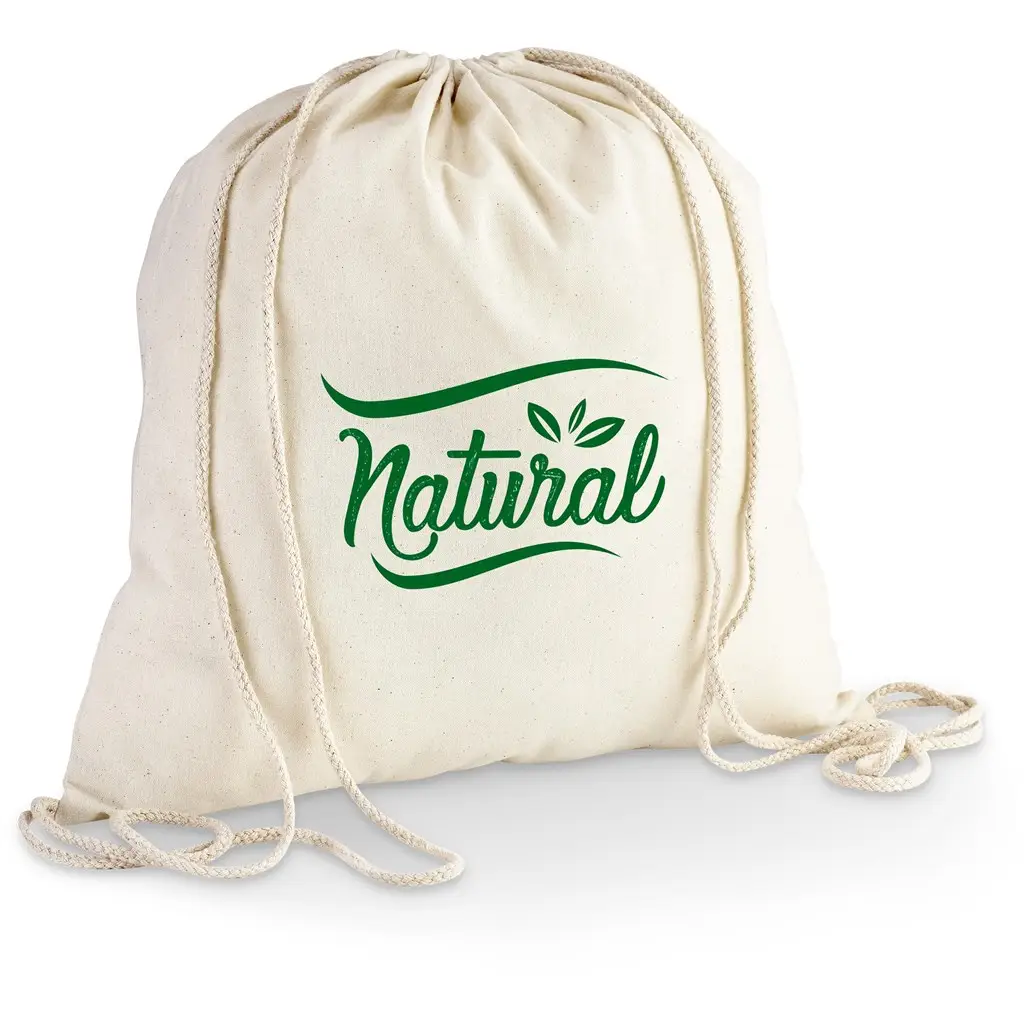
A bag is a good example. A drawstring bag may suit an event where people need something light and simple, while a tote may feel more appropriate when the gift needs to carry more visual weight. An item such as the Apex Eco-Cotton Drawstring Bag sits in a different practical space from the Okiyo Shinrin Jute Tote, so the better choice depends on how the recipient is expected to use it.
The same thinking applies to branded drinkware. A glass bottle can feel more polished for a desk or meeting setting, while other drinkware may be better suited to movement during the day. The Kooshty Boost Glass Water Bottle 700ml is the kind of product where the material and the setting both matter to the buying decision.
Check the whole gifting moment, not only the item
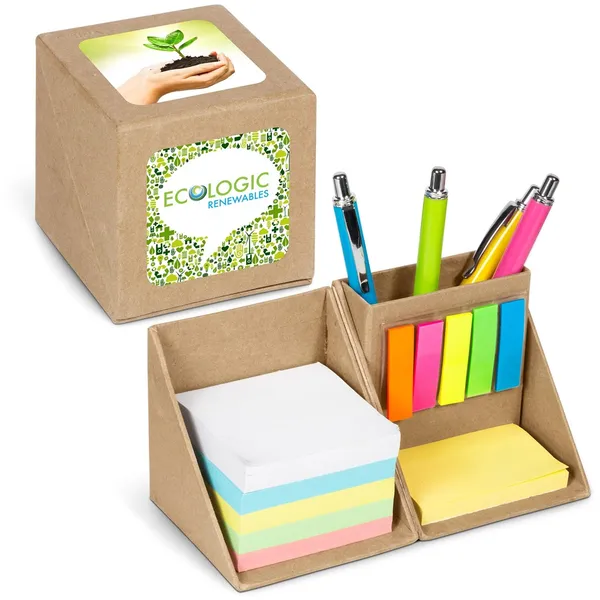
The gift itself is only one part of the handover. Packaging, presentation, messaging and quantity can all affect how responsible the choice feels. A carefully chosen item can lose impact if it is wrapped in unnecessary packaging or paired with messaging that overstates the environmental claim.
Keep the message simple and accurate. It is safer to say what the product is, or what the recipient can use it for, than to make broad promises about impact. If the product information confirms a material detail, that can be reflected carefully. If it does not, avoid stretching the claim.
South African businesses are also working in a wider environment where waste, material choices and responsible handling are part of public and business conversation. That does not mean every branded item needs a legal explanation, but South Africa’s waste legislation is a useful reminder that claims around materials and disposal should be handled with care.
Match the gift to the brand’s everyday reality
A corporate gift should feel like it belongs with the brand handing it out. That does not mean it has to be expensive or complicated. It means the item, branding and message should make sense together.
A company with a clean, practical identity may prefer a simple item with restrained branding. A business running an internal staff programme may need something functional rather than decorative. A professional services firm may want a quieter desk-friendly gift, where the logo does not overpower the usefulness of the product.
The Altitude Taylor Stationery Set shows how a practical office item can sit naturally in a branded gifting plan. The decision is less about forcing a message and more about choosing something the recipient can realistically keep using.
Check the branding method and message together
The way a logo appears on a gift can change whether the item feels useful or overly promotional. A large mark may be right for an event giveaway, but a subtler placement may make more sense on a product someone will use in a meeting, at a desk or on the move.
This is where brand fit becomes practical. The item should still look like part of the company’s identity, but it should also feel easy for the recipient to keep. If the branding makes the gift feel too loud for normal use, the item may spend less time in the places where it could support recognition.
The message should follow the same rule. Use wording that is honest, specific and easy to understand. A simple line about reuse or a confirmed material detail often works harder than a broad environmental promise.
A practical checklist before approving the gift
A responsible gifting decision becomes easier when the approval process includes a few clear checks. These questions help keep the decision practical without turning it into a claims exercise.
- Will the recipient have a clear reason to use the gift after receiving it?
- Does the product information support any material or environmental wording being used?
- Is the branding tasteful enough for the item to be used in public or at work?
- Can the packaging and handover message stay simple and accurate?
- Does the gift fit the wider way the business presents itself?
These questions are useful because they keep the decision grounded. The strongest branded gifts do not need exaggerated claims. They need a clear purpose, suitable product details and a reason for the recipient to keep them.
Use careful wording in the final message
The message around the gift should be as considered as the product itself. If the item is described too broadly, the wording can create expectations the product information does not prove. A safer approach is to focus on the confirmed detail and the intended use.
For example, a message might focus on reuse, daily practicality or a material named on the product page. It should avoid claiming that the gift is carbon-neutral, compostable, biodegradable or certified unless that information is clearly confirmed for that exact item.
This does not weaken the gift. It makes the brand look more careful. In a business setting, clear and accurate wording often carries more confidence than a dramatic claim.
Choose with usefulness, proof and fit in mind
Eco-friendly corporate gifting works best when the decision is practical before it is promotional. Start with the person receiving the gift. Check the product information. Think about how the item will be used, how it will be branded and what the business can honestly say about it.
If you are planning branded gifts and want a more considered choice, speak to the team about products that fit the recipient, the brand and the message you need to send.