info@three6ixty.co.za
 +27 64 525 7978
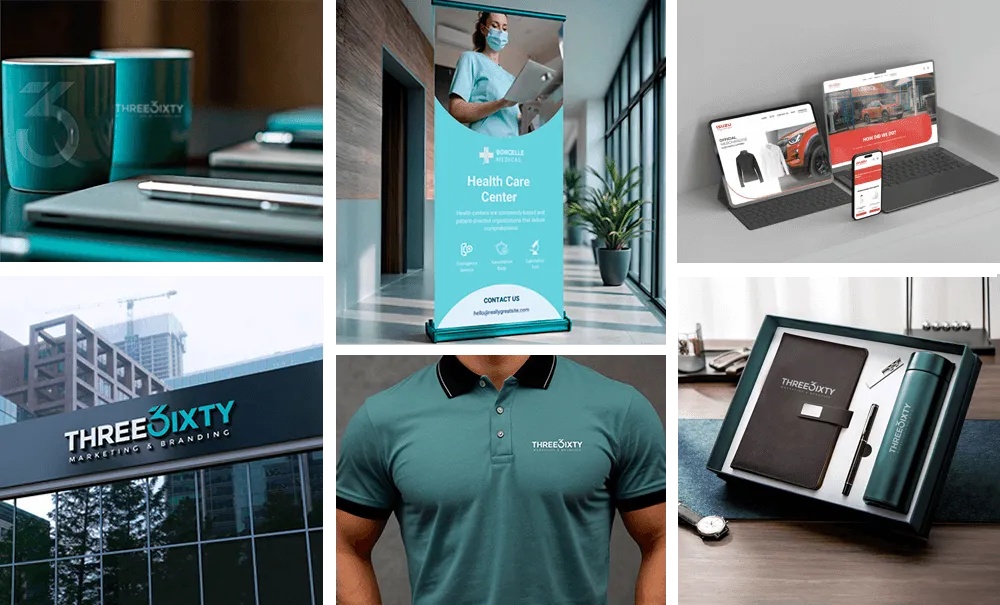
Corporate identity consistency across branded products becomes harder to protect when different teams order different items, use different artwork files and brief different suppliers.
One campaign may look polished, while the next feels disconnected. Over time, those small differences can weaken how professional and recognisable the brand feels.
For marketing managers, procurement teams, HR teams and event teams, the challenge is rarely a lack of branded activity. The bigger challenge is brand control.
From logo placement and colour expectations to product quality, artwork approvals and supplier communication, every decision affects how consistently the brand appears in the real world.
Why Corporate Identity Consistency Matters on Branded Products
A notebook, golf shirt, banner, gift box or printed brochure may feel like a small detail on its own. Together, these items shape the physical experience of your brand.
When they look aligned, the brand feels more considered. When they look inconsistent, people notice, even if they cannot always explain what feels wrong.
Corporate identity is more than a logo. It is the visual system that guides how your business appears across materials, channels and customer touchpoints.
The goal is not to make every branded item look identical. Different materials, formats and production methods behave differently.
The goal is to keep the brand recognisable, professional and controlled while choosing the right solution for the product, campaign and audience.
Brand guidelines covering colour palettes, logo use, typography and imagery can help teams apply a coherent identity across different communications and designs. Adobe’s brand guideline overview provides a useful example of the elements normally included in a practical brand system.
Where Corporate Identity Consistency Starts to Drift
Inconsistent branded products usually start with inconsistent inputs.
A rushed brief, old logo file, unclear approval process or missing brand guideline can create problems long before production begins.
The risk becomes higher when different departments place orders independently.
Sales may order giveaways for an activation. HR may organise staff clothing. Marketing may approve event displays. Procurement may manage supplier communication.
If each team works from different files or different interpretations of the brand, the final result can feel fragmented.
That is why corporate identity consistency needs a clear process, not just good intentions.
Clear Logo Placement Rules Support Brand Consistency
Logo placement has a direct effect on how polished a branded product looks.
Size, position, safe space, orientation and visibility all matter. A logo placement that works on a flat printed folder may not work on fabric, curved drinkware, signage or a small promotional product.
Brand guidelines should give practical direction on how the logo may be used.
Artwork proofs then turn that direction into a production check. Before production begins, the team should confirm that the logo is visible, balanced, correctly positioned and suitable for the product.
Colour Matching Needs Realistic Production Expectations
Colour consistency is one of the most common challenges in branded products.
A brand colour can look different on fabric, paper, vinyl, metal, plastic or packaging.
It can also change depending on the finish, branding method, lighting and production process.
Print and branding outcomes depend on artwork quality, material, finish, quantity and production requirements.
Clear colour references, proofing and supplier communication create a stronger basis for alignment. They may not remove every variable, but they make the process more controlled.
Pantone also notes that print appearance can vary because of production specifications and unavoidable printing variables. Read Pantone’s explanation of print colour variation .
Product Quality Shapes How the Brand Is Perceived
Product quality affects how people experience the brand.
A well-chosen branded item can feel useful, relevant and professional. A poor-quality or unsuitable item can weaken the impression, even if the logo is applied correctly.
Quality-first thinking does not always mean choosing the most expensive option.
The right branded product depends on the campaign, audience, budget, quantity, artwork, timeline and intended use.
A product should be chosen because it supports the brand experience, not simply because it is available.
Three6ixty supports product selection across corporate gifts and branded merchandise , helping businesses consider suitability, presentation and wider brand alignment before production.
What C.I Aligned Branding Should Control
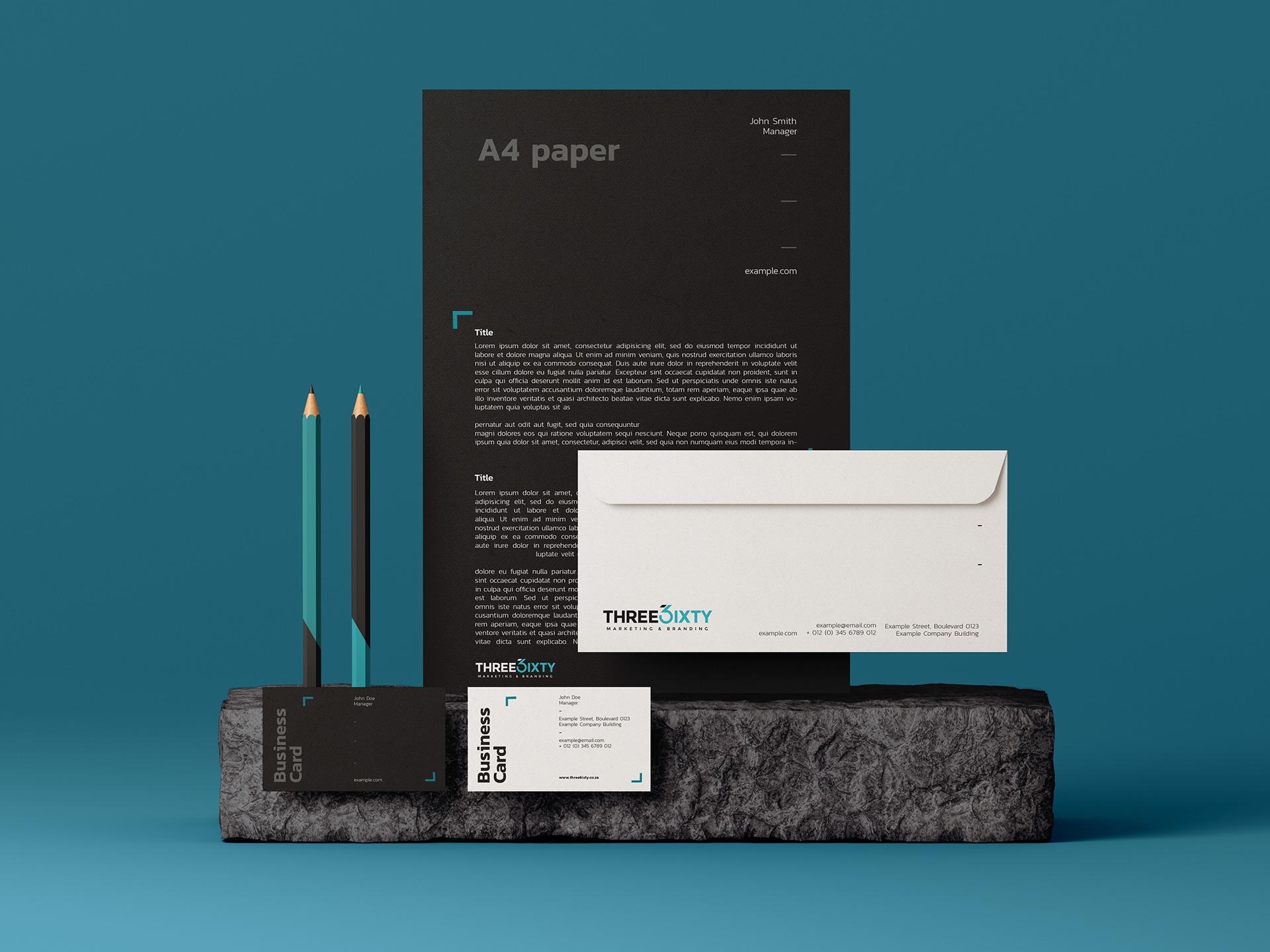
C.I aligned branding is not a last-minute logo application. It is a practical system that connects brand guidelines, product suitability, artwork quality, approval responsibility and production requirements.
A strong C.I process should control:
- Approved logo files and correct file formats
- Colour references and production guidance
- Logo placement, scale, safe space and orientation
- Typography guidance where wording appears
- Product suitability before order approval
- Artwork proofing and final sign-off
- Communication between brand, procurement and production teams
This structure keeps teams moving without losing brand discipline.
Artwork Approval Is a Corporate Identity Control Point
Artwork approval is not just administration. It is the point where brand intention becomes production instruction.
Before time, budget and materials are committed, the right people need to confirm that the artwork is accurate and aligned.
A useful approval process checks the logo version, layout, sizing, placement, colour reference, product details and spelling.
It should also make it clear who has authority to approve the final artwork.
This matters because production is only as strong as the information supplied.
Low-resolution files, unclear instructions or late changes can affect the final result. Proper proofing gives teams a better basis for decision-making and helps reduce avoidable brand issues.
Why One Branding Partner Improves Brand Control
Working with one branding company makes corporate identity consistency easier to manage.
Instead of briefing separate suppliers for every requirement, your team can work through one connected process for branded products, artwork approvals, production coordination and campaign rollout.
The value is not only in having access to branded products.
The value is in aligning the brief, artwork, product choice, supplier communication and approval process through one reliable branding partner.
This is where centralised branding solutions become useful for teams that need quality, speed and consistency without brand fragmentation.
A central partner can also connect related requirements such as corporate clothing , signage , printing and mobile displays .
How Three6ixty Supports Corporate Identity Consistency
Three6ixty is a Johannesburg-based full-service branding company built around a simple idea: Your Brand, One Supplier, Every Solution.
For more than 10 years, the business has grown from traditional marketing into a turnkey branding and marketing solution for companies that need practical creativity, dedicated support and quality-first execution.
Three6ixty helps businesses manage branded touchpoints across physical, printed and digital environments.
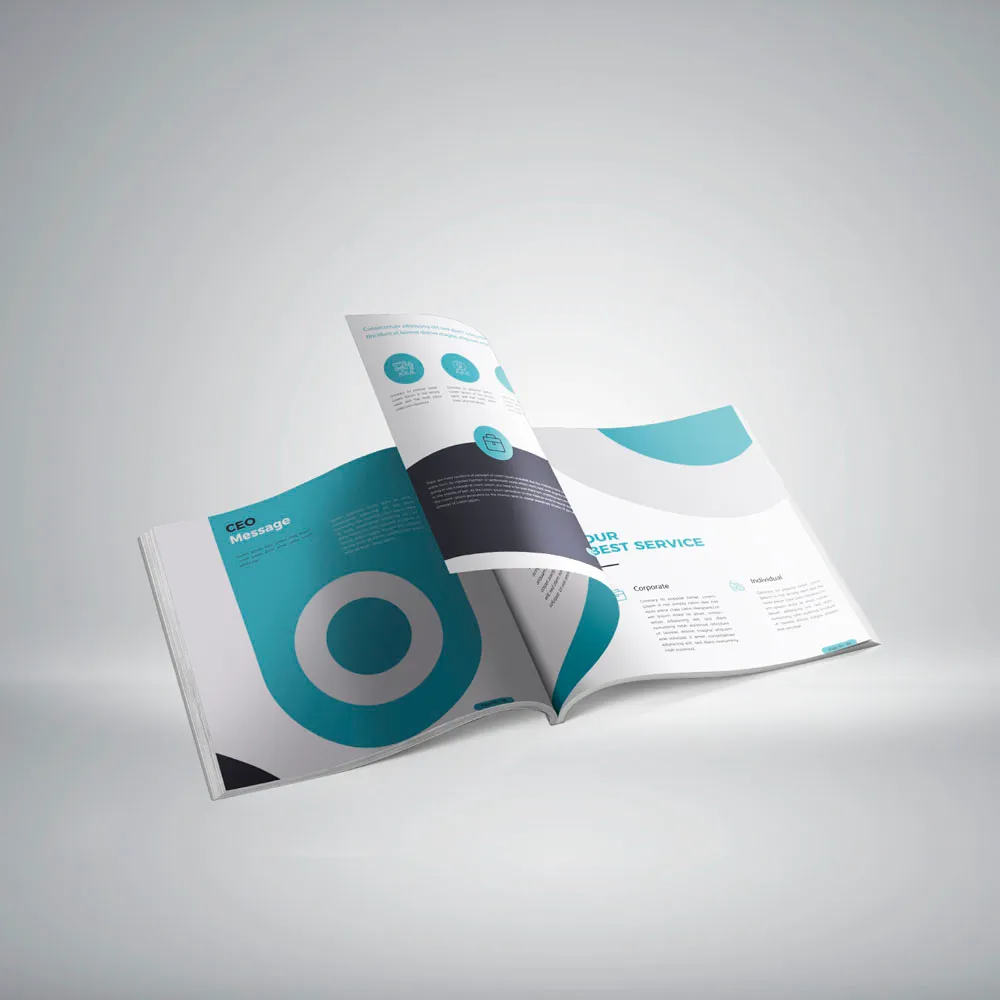
This includes corporate gifting, corporate clothing, promotional products, mobile displays, signage, printed marketing material, graphic design , web development, digital marketing and custom sourcing where a project needs a more tailored approach.
By viewing brand consistency as an ecosystem rather than a once-off order, Three6ixty gives marketing and procurement teams a clearer path from idea to execution.
Businesses can also view Three6ixty’s completed work before discussing a new branding requirement.
Why Centralisation Matters for Larger Brand Rollouts
The larger the campaign, the more important centralisation becomes.
A national rollout, staff programme, event campaign or multi-department project can quickly lose consistency if orders are managed in silos.
Centralisation gives businesses better visibility over brand assets, approvals, ordering and repeat requirements.
For larger organisations, a system such as a company merchandise portal or Promostore model can help manage approved items, stock visibility, reporting and control where it suits the business.
The products still matter, but the bigger value is the process and infrastructure around them.
Consistent branded products begin with consistent files, responsibilities, approvals and production instructions.
Corporate Identity Consistency Checklist Before Approval
Before approving the next branded item, use the process as a brand control check.
- Confirm the latest brand guidelines have been shared.
- Use approved logo files instead of copied images or old artwork.
- Check logo placement, scale, orientation and safe space.
- Provide colour references and discuss realistic colour expectations.
- Confirm the product suits the artwork and intended use.
- Review product quality in relation to the audience and budget.
- Check quantity, lead time and production requirements.
- Review a proof or mock-up where required.
- Assign one person or team for final approval.
- Keep approved artwork records for future orders.
A good checklist does not slow the process down. It gives teams clarity, and that clarity protects corporate identity consistency when quality and speed both matter.
Questions About Branded Product Consistency
What does corporate identity consistency mean for branded products?
It means your branded products follow the same visual standards, including logo use, colour guidance, placement rules and overall brand feel. The aim is to make every physical brand touchpoint look like it belongs to the same business.
Why do colours look different on different branded items?
Colours can vary because different materials and finishes respond differently to production methods. Fabric, paper, vinyl, metal and plastic may not produce the same result, even when the same colour reference is used.
How do artwork approvals protect the brand?
Artwork approvals give the team a final opportunity to check the logo version, sizing, placement, colour references, wording and product details before production begins.
What should brand guidelines include for promotional products?
They should include approved logo files, colour references, placement rules, safe space, restrictions around logo use and notes on product suitability or approval responsibilities.
How does one branding partner improve brand control?
One partner gives marketing and procurement teams a more centralised process for briefs, artwork approvals, supplier communication and branded touchpoints. This reduces fragmentation and supports a clearer standard across departments.