info@three6ixty.co.za
 +27 64 525 7978
A strong branded merchandise strategy starts before anyone chooses a product.
It starts with a simple question: what should this branded item achieve?
For corporate teams, branded merchandise is not just about handing out useful products. It is about protecting budget, keeping corporate identity consistent, supporting the right business moment, and giving every gift, giveaway, pack, or promotional item a clear role in the wider brand experience.
When merchandise is planned properly, it becomes more than a product order. It becomes a managed brand touchpoint that can support recognition, client relationships, onboarding, event visibility, sales conversations, and long-term brand recall.
Start With the Outcome, Not the Product
The first question should never be, “What should we order?”
It should be, “What does this item need to do?”
For HR teams, the goal may be recognition, onboarding, or culture-building. For sales teams, it may be a practical leave-behind that keeps the conversation moving. For marketing teams, it could be visibility at an activation or continuity across a campaign. For procurement teams, the priority is often control: approved products, CI aligned branding, clearer spend, and fewer disconnected processes.
Once the objective is clear, product selection becomes sharper. Every option can be judged against the audience, occasion, budget, quantity, timeline, and brand message.
That is the difference between buying branded merchandise and corporate gifting and building a branded product programme.
Why “Nice Gift Ideas” Are Not Enough
Generic gift ideas can be useful, but they often skip the thinking that makes branded merchandise work harder.
A trending item may not suit your audience. A product that is easy to order may not match the relationship you are trying to build. A rushed branding decision can lead to poor logo placement, inconsistent artwork, weak packaging, or a final product that feels disconnected from the campaign.
Most merchandise problems do not start with the product. They start with fragmented planning.
Different departments order independently. Products are chosen for convenience instead of usefulness. Branding is applied without considering the product surface or finish. Packaging and messaging are treated as afterthoughts. Artwork approval, lead time, and distribution are planned too late.
A better strategy does not need to slow the process down. It simply puts the brand first, then selects the product that fits the purpose.
Match the Merchandise to the Moment
Branded merchandise works best when the item, audience, and moment make sense together.
A new employee welcome pack should not be planned in the same way as a premium client gift. A high-volume event giveaway should not be judged by the same standard as an executive thank-you. Each moment needs its own level of usefulness, quality, presentation, and brand presence.
Staff gifting should feel practical, considered, and connected to company culture. Client gifting should balance professionalism, relevance, and restraint. Event giveaways should be easy to carry, quick to understand, and linked to the campaign message. Sales merchandise should support a follow-up conversation, especially when paired with the right printed or digital material.
The product matters, but the context matters more.
Staff Gifting Should Feel Personal to the Team
Recognition merchandise works when it reflects how people actually work.
A hybrid team may value desk or tech-related items. A field team may need something durable, portable, and practical. A conference team may appreciate products that are useful during travel or events.
The goal is not to impress employees with the biggest item. It is to choose something useful, well branded, and appropriate to the recognition moment.
Thoughtful staff gifting can contribute to a stronger employee experience when it forms part of a wider culture and recognition approach.
Client and Executive Gifts Need Restraint
Client gifting should feel professional, not promotional for the sake of it.
For senior audiences, subtle branding and quality packaging often carry more value than placing a large logo on every surface. The gift should feel considered, not like a catalogue item with a logo added at the end.
The relationship stage matters too. A first meeting, year-end thank-you, long-term client milestone, and executive gesture each call for a different level of detail.
A strong client gift supports the relationship. It should not try to replace meaningful communication.
Event and Sales Merchandise Must Be Easy to Understand
At an event, people make quick decisions.
Your giveaway should be practical, portable, and clearly connected to the brand message. If the item needs too much explanation, the moment can be lost.
For sales teams, branded merchandise can create a natural follow-up point. It will not guarantee leads or sales, but it can support a more consistent interaction when the product, message, and next step are planned together.
Good sales merchandise gives the conversation somewhere to go after the meeting.
Build for Usefulness and Brand Recall
Brand recall is not created by placing a logo on any available item.
It is built through repeated, useful, and consistent brand experiences. If people keep using the product, seeing the message, and connecting it to a positive interaction, the merchandise has a better chance of supporting recall over time.
Before approving a product, ask:
- Who will receive it?
- Where will it be used?
- What does it say about the brand?
- How will the branding appear?
- What must happen behind the scenes?
These questions keep the focus on fit. A product should earn its place in the campaign because it is useful, aligned, and realistic for the brief.
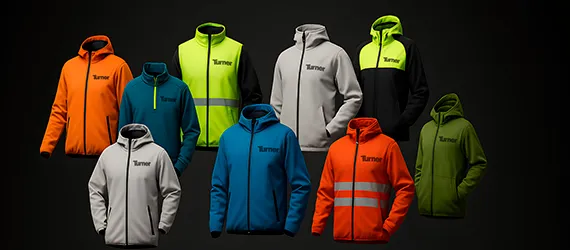
Keep Corporate Identity Consistent
Corporate identity consistency is one of the strongest reasons to centralise branded merchandise planning.
If each department uses different artwork, colours, suppliers, or product standards, the brand experience starts to feel fragmented.
Consistency depends on more than sending a logo file. It includes approved artwork, correct proportions, suitable placement, clear messaging, and product-specific proofing. External resources such as the World Intellectual Property Organization’s guidance on why intellectual property is essential for business also highlight how brand elements contribute to recognition, trust, and loyalty.
Print and branding outcomes depend on artwork quality, material, finish, quantity, and production requirements, so proofing should be treated as part of the process rather than a final formality.
Working with one branding partner gives teams a more controlled way to manage branded touchpoints across campaigns, departments, and locations.
Plan Sourcing, Packaging and Fulfilment Early
A strong idea still needs practical execution.
Product suitability, stock, branding method, production requirements, and lead time all influence what is possible for a specific project. The earlier these factors are considered, the smoother the process is likely to be.
Packaging should also be part of the plan from the start. A premium gift may need a more polished presentation, while event merchandise may need to be packed for quick handout.
If items are going to multiple recipients, departments, branches, or locations, fulfilment becomes part of the strategy, not a separate admin task.
Responsible sourcing can also be considered where it fits the brief. Depending on the product and project requirements, teams may explore local options, eco-conscious alternatives, or custom sourcing. These decisions should always be weighed against budget, quantity, timing, and brand expectations.
Corporate Branded Merchandise Ideas With Purpose
The best corporate branded merchandise ideas start with use, not novelty.
Instead of building a long list of possible products, group options according to the role they need to play.
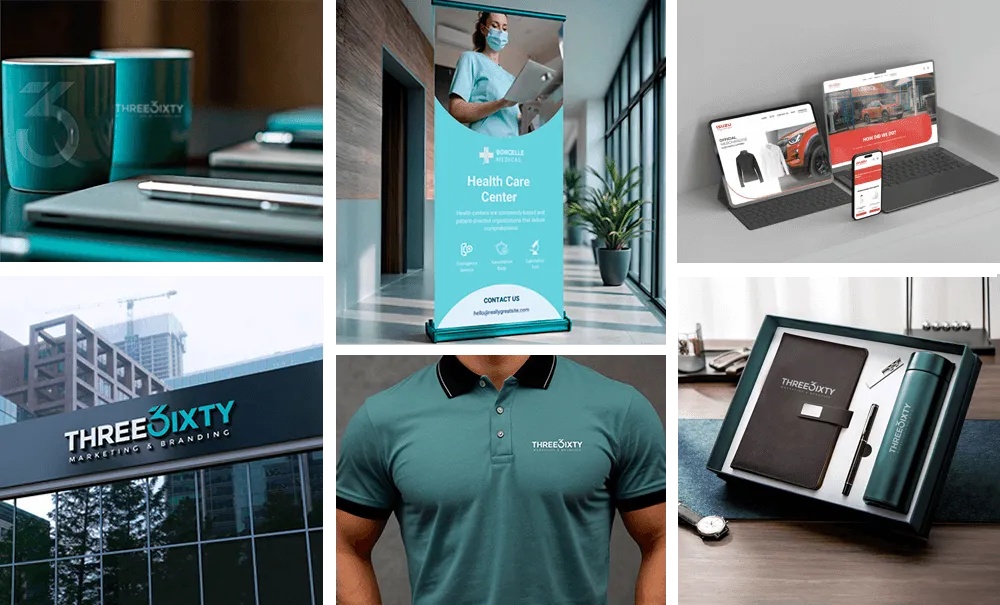
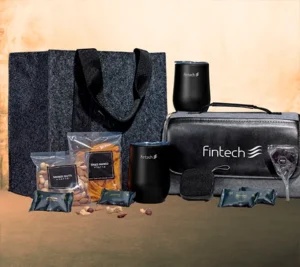
Workday essentials such as notebooks, folders, and selected desk items can work well for meetings, onboarding, and internal programmes. Premium gifting, including curated sets, hampers, and gift boxes, suits moments where presentation and perceived value matter. Everyday visibility items such as drinkware, bags, and branded apparel can work well when quality, style, and audience fit are carefully considered.
Event merchandise should support campaign presence, while tailored items such as tech accessories, eco-conscious options, or custom-created products may suit more specific briefs.
The right promotional product depends on the audience, occasion, budget, quantity, and brand message. It should not be selected only because it is popular. It should make sense within the full branded experience.
Where Centralised Brand Control Changes the Process
For corporate teams, the bigger challenge is often not finding products. It is managing the process across departments, campaigns, and procurement requirements without losing control of the brand.
Centralised branding solutions create a clearer structure for merchandise planning. They make it easier to manage approved artwork, preferred product types, ordering processes, reporting, and repeat requirements.
For larger or recurring programmes, a system such as Promostore can support centralised ordering, stock visibility, and control where it fits the project.
This is where the Three6ixty approach becomes valuable: One Partner. Total Brand Control.
The product range matters, but the system behind it is what gives corporate teams a more consistent way to manage branded assets.
How Three6ixty Approaches Branded Merchandise
Three6ixty is a Johannesburg-based full-service branding company that works with businesses to connect branded merchandise to the bigger brand picture.
From its Randpark Ridge base, the team brings together corporate gifting, corporate clothing, printing, displays, custom sourcing, and other brand touchpoints through one coordinated approach.
As a marketing and branding partner, Three6ixty focuses on corporate identity consistency, dedicated support, and quality-first execution. Custom sourcing and creation can also be explored where the brief calls for a more tailored solution.
The thinking is simple: Your Brand, One Supplier, Every Solution.
Fewer disconnected processes. Better brand control. A clearer path from idea to execution.
Questions Corporate Teams Ask About Branded Merchandise
How do corporate teams choose the right branded merchandise?
Start with the objective, audience, and occasion. Then consider the budget, quantity, timeline, artwork requirements, product suitability, and branding method. The right item should fit the campaign, not just the catalogue.
What works well for staff gifting?
Staff gifting should be useful, considered, and aligned to company culture. Practical workday items, quality apparel, or welcome packs can form part of a thoughtful recognition or onboarding experience when chosen for the team’s real environment.
How should businesses plan client or executive gifts?
Client and executive gifts should balance quality, relevance, and brand presence. Subtle branding, strong packaging, and a clear message often create a more professional impression than heavy branding on a premium item.
What should be considered before ordering event giveaways?
Consider the event type, audience, handout process, quantity, portability, and campaign message. Allow enough time for artwork approval, proofing, production, and distribution planning.
How can a company keep merchandise aligned with its corporate identity?
Use approved artwork, clear brand guidelines, and product-specific proofing. A centralised branding partner can also reduce fragmentation across teams, campaigns, and branded touchpoints.