info@three6ixty.co.za
 +27 64 525 7978
A brand rollout strategy matters because growth puts pressure on a brand long before customers notice the details.
A new branch needs to look ready from day one. A national campaign needs to feel consistent in every region. Staff uniforms, signage, printed materials, promotional products, onboarding packs, displays, and digital assets all need to work together. When each department manages those pieces separately, the brand can start to feel fragmented before the rollout even reaches the market.
A strong brand rollout strategy gives growing businesses one clear plan before branded assets go into production. It brings marketing, procurement, HR, operations, and leadership teams into the same process, so every touchpoint supports the same corporate identity, message, and standard.
A Brand Rollout Is a System, Not a Shopping List
Many rollouts begin with a list of things to order.
Golf shirts. Banners. Flyers. Gift packs. Signage. Promotional items. Staff uniforms.
Those items matter, but they are only the visible part of the rollout. The real work happens behind the scenes, where brand guidelines, artwork checks, approvals, sourcing, production planning, quantities, and distribution all need to be managed properly.
For growing businesses, the biggest risk is usually not a lack of ideas. It is a lack of control.
When different teams brief different suppliers, small details start to drift. Colours look slightly different. Messaging changes from one asset to the next. Sizes and quantities sit in separate spreadsheets. Procurement loses sight of what is being ordered, who approved it, and how each item supports the rollout.
A strong rollout strategy connects the brand, audience, timing, budget, and production requirements before anything moves forward.
Start With the Experience You Want to Create
Before choosing branded products, define the experience the rollout needs to create.
What should customers, staff, or prospects feel when they interact with the brand? What needs to be visible, useful, memorable, or repeated? What should happen before, during, and after launch?
A branch opening may need signage, customer-facing print, staff clothing, and local promotional material. A sales campaign may need product giveaways, branded presentations, printed communication, and digital support. A staff rollout may need uniforms, onboarding packs, internal messaging, and consistent brand guidance.
The right assets depend on the purpose of the rollout. When the experience is clear, product choices become more focused and easier to defend.
Map Every Brand Touchpoint Early
A growing business cannot afford to discover missing assets at the last minute.
Before production begins, map every place the brand will appear. This gives marketing and procurement a shared view of what needs to be designed, sourced, approved, produced, and delivered.
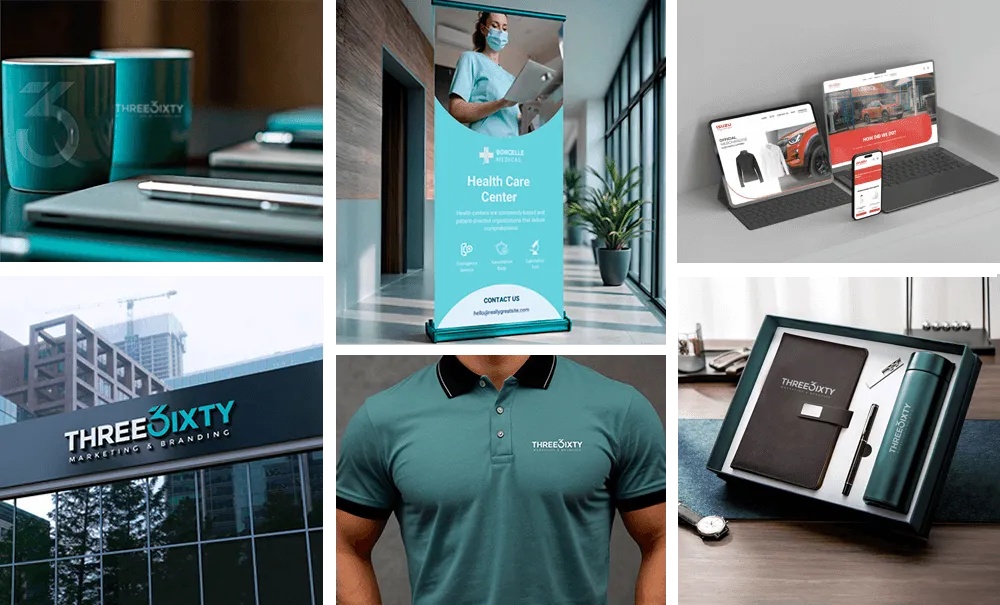
A rollout may include corporate clothing, signage, mobile displays, printed materials, promotional products, corporate gifts, onboarding packs, event assets, digital campaign material, or graphic design support.
The goal is not to order every possible branded item. The goal is to choose the touchpoints that serve the rollout objective.
A good rollout plan asks:
- Which items will customers see first?
- Which items will staff use every day?
- Which assets need to match across branches or regions?
- Which materials support the campaign message?
- Which items need central approval before local use?
This turns the rollout into a brand system instead of a rushed ordering process.
Keep Corporate Identity Consistent Across Every Asset
Corporate identity consistency is what makes a rollout feel professional.
Your brand may appear on uniforms, signage, banners, brochures, packaging, client gifts, campaign displays, internal documents, and digital platforms. Each item may use different materials and production methods, but they should still feel like they belong to the same business.
This requires more than sending a logo file. For wider brand identity context, the World Intellectual Property Organization explains how trademarks relate to names, logos and other brand signs.
A strong rollout should use approved brand guidelines, correct logo formats, clear colour references, consistent messaging, defined layout rules, and proper artwork approval. It should also consider how the brand behaves on different surfaces, from fabric and paper to vinyl, metal, plastic, and digital screens.
The aim is not to make every asset identical. The aim is to keep every asset recognisable, aligned, and professionally controlled.
Build Control Into the Approval Process
Control is often the difference between a smooth rollout and a stressful one.
If artwork sits with one team, approvals with another, and ordering with a third, small gaps can quickly affect the whole project. A clearer process does not create unnecessary admin. It prevents confusion before it becomes expensive.
Before production starts, confirm who approves artwork, proofs, quantities, final orders, and campaign messages. Make sure everyone is working from the same logo files, colour references, and brand guidelines.
It also helps to decide which items require central approval before regional teams, branches, or departments can use them.
When approval responsibilities are clear, teams move faster because they know who needs to decide, what needs to be checked, and when the work is ready to proceed.
Plan Around Real Production Requirements
A brand rollout needs realistic timing.
Stock checks, artwork readiness, proofing, production, branding methods, quantities, materials, supplier requirements, and delivery planning can all affect the schedule. A rollout plan that ignores production reality will create pressure later.
Print outcomes depend on artwork quality, material, finish, quantity, and production requirements. Clothing, signage, displays, gifts, and promotional products need the same level of care.
This is why early planning matters, especially for large campaigns, multi-location rollouts, or projects involving several branded assets.
If a preferred item does not suit the timeline, environment, or budget, the right branding partner should guide the team towards a practical alternative that still fits the brief.
Why Centralisation Matters as Businesses Grow
The larger the business, the easier it is for branding to become scattered.
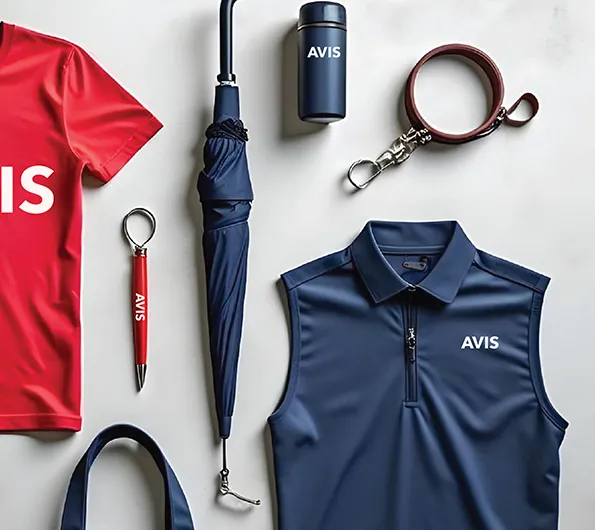
A national campaign may involve multiple regions. A branch rollout may involve local teams, suppliers, property requirements, and launch deadlines. A staff programme may need consistent clothing, onboarding packs, internal materials, and repeated ordering.
Centralisation gives businesses one clearer way to manage those moving parts.
Marketing can protect the campaign message. Procurement can track sourcing, spend, and quantities. HR can align employee-facing materials. Operations can manage locations, timing, and handover. Leadership gets better visibility over how the brand is being rolled out.
This is where one branding partner becomes valuable. It reduces supplier fragmentation and creates a single point of coordination for brand execution.
The Role of One Branding Partner in a Rollout
A rollout becomes easier to manage when branded assets are not treated as separate once-off orders.
One branding partner can help connect planning, design, sourcing, artwork checks, production coordination, and rollout support. That means clothing, gifting, displays, signage, printing, design, and digital support can be considered as part of one wider brand objective.
For growing businesses, the value is not only convenience. It is brand control.
One partner gives teams a clearer process, fewer repeated briefs, better visibility, and a more consistent standard across physical and digital touchpoints.
How Three6ixty Supports Brand Rollout Strategy
Three6ixty is a Johannesburg-based marketing and branding company with more than 10 years in operation.
The company supports growing businesses with full-service brand execution, bringing planning, design, sourcing, production coordination, and rollout support into one process. Its approach is built around Your Brand, One Supplier, Every Solution.
For a corporate brand rollout, this means branded assets are not treated as isolated product orders. Corporate clothing, gifting, displays, signage, printing, graphic design, web development, digital marketing, and custom sourcing can all be planned around the bigger brand objective.
Three6ixty’s focus is on corporate identity consistency, quality-first execution, dedicated support, and practical solutions that help businesses keep brand rollouts aligned from brief to delivery.
One Branding Company. Every Channel Covered.
Brand Rollout Checklist
Before briefing suppliers or approving production, use this checklist to keep the rollout controlled:
- Define the rollout objective and business milestone.
- Confirm the audience, message, and campaign environment.
- List the branches, regions, teams, or event spaces involved.
- Gather the correct CI guidelines, logos, and artwork files.
- Map every required brand touchpoint before placing orders.
- Confirm quantities, sizing needs, and production specifications.
- Set approval responsibilities for artwork, proofs, and final production.
- Allow for stock checks, lead times, and product suitability reviews.
- Centralise communication between marketing, procurement, HR, and operations.
- Plan distribution, handover, and post-rollout review.
A good checklist does not slow the rollout down. It gives every team a clearer standard to work from.
Questions Businesses Ask About Brand Rollouts
What should be included in a brand rollout strategy?
A brand rollout strategy should include the rollout goal, audience, key messages, CI requirements, branded assets, approval process, production needs, distribution plan, and review process. It should also define who is responsible for each decision.
How early should a business start planning a rollout?
Planning should start as early as possible, especially for national campaigns, branch openings, staff programmes, or projects with multiple branded assets. Timelines depend on artwork readiness, quantities, product choices, supplier requirements, and production methods.
How can companies keep branding consistent across branches?
Businesses can keep branding consistent by using approved brand guidelines, centralised artwork, clear approval flows, and one coordinated process for procurement and production.
Why is one branding partner useful for national campaigns?
One branding partner creates a single point of coordination. This reduces supplier fragmentation, improves communication, and gives marketing and procurement a clearer view of the full rollout.
What should be included in a rollout brief?
A rollout brief should include the campaign objective, audience, required assets, quantities, locations, timeline, artwork status, budget range, and CI requirements.
Ready to Roll Out Your Brand With More Control?
A successful brand rollout is not just about getting branded items produced. It is about making sure every asset, message, approval, and touchpoint works together.
If your business is preparing for a branch opening, national campaign, event, rebrand, onboarding drive, or sales activation, Three6ixty can help bring the process into one clearer system.
Build a rollout that feels consistent, controlled, and ready for growth with one branding company that understands how every channel should work together.