info@three6ixty.co.za
 +27 64 525 7978

The problem usually shows up when the team is already in the room. One person is dressed for a client meeting. Another looks ready for setup work. Someone else is wearing a promotional tee that feels too casual for the conversation happening in front of them. The logo may be correct on every garment, but the overall effect can still feel scattered.
That is why corporate clothing in South Africa should be planned as a working wardrobe, not a once-off order of branded garments. The stronger starting point is not “what can carry a logo?” It is “who will wear this, where will they be seen, and what should the clothing help them do?”
For a business, staff clothing has to work harder than normal apparel. It must support the brand, suit the role, feel wearable through the day and still look consistent when different people stand together. A good clothing plan gives each team member something practical to wear while keeping the company’s visual identity under control.
Start With the Role, Not the Garment
A customer-facing employee needs clothing that feels polished enough for conversation. An event team may need something more visible and easier to move in. A team working outdoors has different practical demands from staff based in a reception area or office environment.
Planning by role prevents the common mistake of giving everyone the same item because it seems simpler. A single garment may look neat in a mock-up, but it can fall short when people use it in different working conditions. Staff who are uncomfortable, too warm, too exposed or too informal for their setting are less likely to wear the clothing well.
The stronger approach is to decide what each group needs from the clothing, then bring those choices back to the same visual system. Colour, logo treatment and overall style can create one recognisable look, even when the actual garments differ by role.
Choose Corporate Clothing in South Africa for the Setting
The setting should shape the clothing decision. A branded golf shirt can work well where a team needs to look smart without feeling overly formal. A promotional t-shirt may suit a campaign where movement, comfort and visibility matter more than a boardroom-ready appearance. Workwear has a different job again, especially where the clothing needs to support a more practical working environment.
The point is not to order every possible garment. It is to match the clothing to the moment where the brand will be seen. A team greeting customers at a branch, working a public activation or attending a trade event will each place different pressure on the clothing.
For teams comparing branded apparel for different environments, the broader promotional clothing and workwear range can help frame the decision around real staff needs instead of isolated product choices.
Keep Comfort in the Decision
A branded shirt that looks good for the first hour may not be the right choice for a full working day. Staff clothing has to be worn while people lift, greet, drive, present, stand, move between spaces or work in changing weather. Comfort is not a soft detail. It affects whether the clothing is actually used properly.
This is especially important when a business wants clothing to become part of a regular uniform. A uniform is generally understood as clothing worn by members of an organisation to identify them as part of the same group, but in practice it also has to suit the work being done. If the clothing feels wrong for the role, staff may avoid it, alter it or wear it inconsistently.
Before placing an enquiry, think through the length of the working day, the environment, the movement required and whether the same item will be worn once for an event or repeatedly as part of daily staff clothing. Those details can change the right choice.
Plan for Different Fits Without Splitting the Brand
A coordinated clothing rollout still needs to work for real people. If the order includes corporate clothing for ladies and men, the goal is not to force every person into the same cut or garment style. The goal is to keep the brand treatment controlled while allowing the clothing to suit the people wearing it.
This is where a clear visual plan helps. A team can wear different fits or garment types and still look connected if the colour direction, logo placement and formality level are handled consistently. Without that plan, even good custom apparel can start to look like separate orders placed at different times.
Make the Logo Visible Without Letting It Take Over
Logo placement is one of the easiest places for a clothing range to become messy. A logo that works on a cap may need a different treatment on a shirt. A design that looks balanced on the front of a garment may feel too loud in a more formal setting.
The aim is clear recognition. Staff should be easy to identify, and the brand should feel deliberate. That does not always mean the biggest possible logo. It means choosing placement, scale and colour contrast that fit the garment and the situation where it will be worn.
For promotional teams, stronger visibility may make sense because the clothing has to work in a busier public space. For office or reception staff, a more restrained branded finish may feel more appropriate. Both can belong to the same brand if the colour and design decisions are handled with care.
Use Colour as the Thread That Holds the Range Together
Colour does a lot of the heavy lifting in branded corporate clothing. If different teams wear different garments, colour is often what makes the range feel connected. This matters when a business needs one look across staff who are doing different things.
A practical clothing plan should confirm the core colours before individual items are selected. That helps reduce the risk of near-matches that look fine on a screen but feel inconsistent when people stand together. It also helps keep future orders easier to manage, because the brand system is clearer from the start.
Where a more graphic or campaign-specific look is needed, custom sublimated clothing can support a more integrated design approach, especially when the garment itself needs to carry more of the brand’s visual language.
Separate Formal Staff Clothing From Promotional Clothing
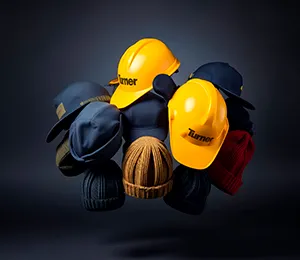
A common mistake is treating all branded clothing as if it has the same purpose. Formal staff clothing and promotional apparel can both carry the brand, but they do different jobs.
Formal wear or a more polished shirt may be better suited to teams who regularly meet clients, work in a reception area or represent the company in a setting where neatness carries weight. Promotional clothing can be more flexible for campaign days, activations or events where staff need to be visible and approachable.
Keeping those purposes separate makes the final range stronger. The business avoids forcing one look into every situation, while still keeping the brand recognisable across different staff groups.
Do Not Treat Workwear as Ordinary Branded Apparel
Workwear needs extra care because it may be tied to the actual conditions of the job. A branded item that is suitable for a promotion may not be suitable for a practical work environment. Where safety, protection or workplace requirements are involved, the clothing decision should be checked properly before branding is finalised.
For safety-sensitive garments or footwear, procurement teams may need to check internal safety requirements and any relevant South African National Standards before the branding treatment is confirmed. Branding should support the workwear decision, not distract from what the garment needs to do in the workplace.
This is also where a single clothing plan becomes useful. The workwear may need to be more practical than the rest of the range, but colour, placement and brand treatment can still help it sit within the same overall identity.
What to Check Before You Enquire
A clearer enquiry usually leads to a better clothing recommendation. You do not need every detail finalised, but it helps to know what the clothing must achieve and how it will be used.
- Which staff roles need clothing, and whether each role needs the same level of formality.
- Where the clothing will be worn, such as indoors, outdoors, at events or during normal workdays.
- Whether the clothing is for a once-off campaign or ongoing staff use.
- Which brand colours need to be kept consistent across the range.
- How visible the logo should be in the real setting where staff will be seen.
These answers make it easier to choose between branded t-shirts, branded golf shirts, workwear, headwear or a more formal clothing direction without turning the order into a scattered mix of items.
Build a Range That Staff Can Actually Wear
Good corporate clothing is practical before it is decorative. It should help staff look prepared, make the brand easier to recognise and suit the real work happening on the day. A coordinated range gives a business more control because every garment has a reason for being there.
If you are planning branded corporate clothing for a team, event or workplace rollout, start with the roles, settings and brand details that matter most. From there, it becomes much easier to choose clothing that feels consistent, useful and ready for the people who need to wear it.