info@three6ixty.co.za
 +27 64 525 7978
Five invoices arrive for one campaign. One covers staff shirts, another covers branded notebooks, another covers a pull-up banner, and two more relate to signage and printed material. Each order has its own supplier conversation, artwork version, quote, proof, approval thread and delivery question.
On paper, the spend may look controlled because each item has been priced separately. In reality, corporate branding procurement can become expensive in a quieter way. The cost sits in repeated briefing, artwork corrections, quote comparisons, sign-off chasing, delivery coordination and the work needed to make everything look like it belongs to the same campaign.
That does not mean item-by-item buying is wrong. Procurement, marketing and operations teams often split orders because deadlines shift, budgets are released in stages or different internal teams request different items. The better question is whether those separate orders are genuinely separate, or whether they are fragments of one campaign that should be managed as a connected branding requirement.
The workload starts before production
Separate branding orders usually begin for practical reasons. Staff clothing may be needed first. Event displays are confirmed later. Printed material waits for final wording. A branch asks for signage after the campaign has already moved into production. Each request feels manageable when it arrives.
The hidden workload appears when each item triggers a new procurement cycle. Someone has to explain the campaign, send artwork, request a quote, compare options, check a proof, find the right approver, confirm delivery details and file the paperwork. Repeat that across corporate merchandise, clothing, banners, signage and printed materials, and the admin becomes a project of its own.
A low unit price can still carry a high management cost. If the same campaign has to be explained to several suppliers, the business is not only buying branded products. It is spending time managing repeated conversations around the same objective.
Repeated briefs create small differences
A campaign brief carries more than a logo and a quantity. It explains who the items are for, where they will be used, what the deadline is, how visible the brand needs to be and who must approve the final result. When orders are placed one by one, that context is rebuilt each time, often by different people and at different levels of detail.
That is where small inconsistencies can enter. One supplier may understand that the items are for a client-facing event. Another may treat them as general promotional stock. One order may be briefed for internal staff use, while another is handled as a customer giveaway. None of this needs to come from poor buying or poor supply. Fragmented information is enough.
A campaign-level brief keeps the shared context visible. Staff clothing, corporate gifts in Johannesburg, pull-up banners, printed material and event displays can still have different specifications. The point is that they are considered against the same audience, deadline and brand requirement.
Artwork is where the extra effort often shows
Branding procurement becomes harder when different suppliers work from different artwork files. One order may use the latest logo. Another may use an older version saved from a previous campaign. A third may need a different file format before production can even be assessed. Each proof then has to be checked for logo use, colour, spelling, placement and sizing.
The visible artwork cost is only part of the story. The proofing loop is often more time-consuming: finding the correct file, requesting a revision, waiting for the updated proof, sending it to the right stakeholder and checking it again. When five branded items are ordered separately, that loop may happen five times.
Consistency is also difficult to judge when every item is viewed in isolation. A notebook can look acceptable on its own. So can a shirt, banner or sign. The gaps become more visible when they stand together at an event, branch launch or internal campaign. That is why corporate identity consistency for branded products belongs in the procurement conversation, not only the design conversation.
Approvals become harder when every item travels alone
Separate orders often create separate approval routes. Procurement may be reviewing one quote, marketing may be checking a proof, operations may be handling delivery, and finance may only see the combined activity once the invoices land. Each control has a purpose, but the full campaign can become difficult to see.
The result is not always delay. Sometimes it is repeated decision-making. The same logo placement is approved more than once. Similar quantities are queried in separate threads. A delivery point is confirmed for one item and missed for another. Stakeholders approve individual products without seeing how those items will work together on the day.
A stronger approval route starts by matching the buying structure to the campaign. If several branded items share the same audience, artwork, deadline or delivery plan, they can be reviewed as one requirement before individual production steps begin.
Small deliveries can create large coordination work
Delivery looks minor until the campaign date gets close. One supplier dispatches to head office. Another sends items to an event venue. A third requires collection. Another delivery arrives before the person responsible for checking it is available. None of these movements may be complicated alone, but together they create timing risk and follow-up work.
The questions also multiply. Has the artwork been approved? Is production complete? Which address is correct? Who will receive the goods? Are all items needed for the same event, the same branch rollout or different internal teams?
A grouped campaign view does not remove the need for checking, and it should not be treated as a promise of faster delivery. It simply gives the team a clearer picture of related deadlines, receiving points and dependencies before small dispatches become last-minute problems.
Item-by-item ordering vs campaign-level procurement
The difference is not only the number of suppliers involved. It is how the requirement is framed. Item-by-item ordering treats each product as a separate transaction. Campaign-level procurement treats the branded items as connected parts of one event, rollout, staff requirement or marketing campaign.
This comparison is not an argument for centralising every branding purchase. It is a way to spot when the buying structure is creating more work than the products themselves.
When consolidation is worth considering
Consolidated corporate branding procurement is worth considering when several related branded items share one campaign, artwork set, approval route, deadline or delivery plan. That is the clearest trigger.
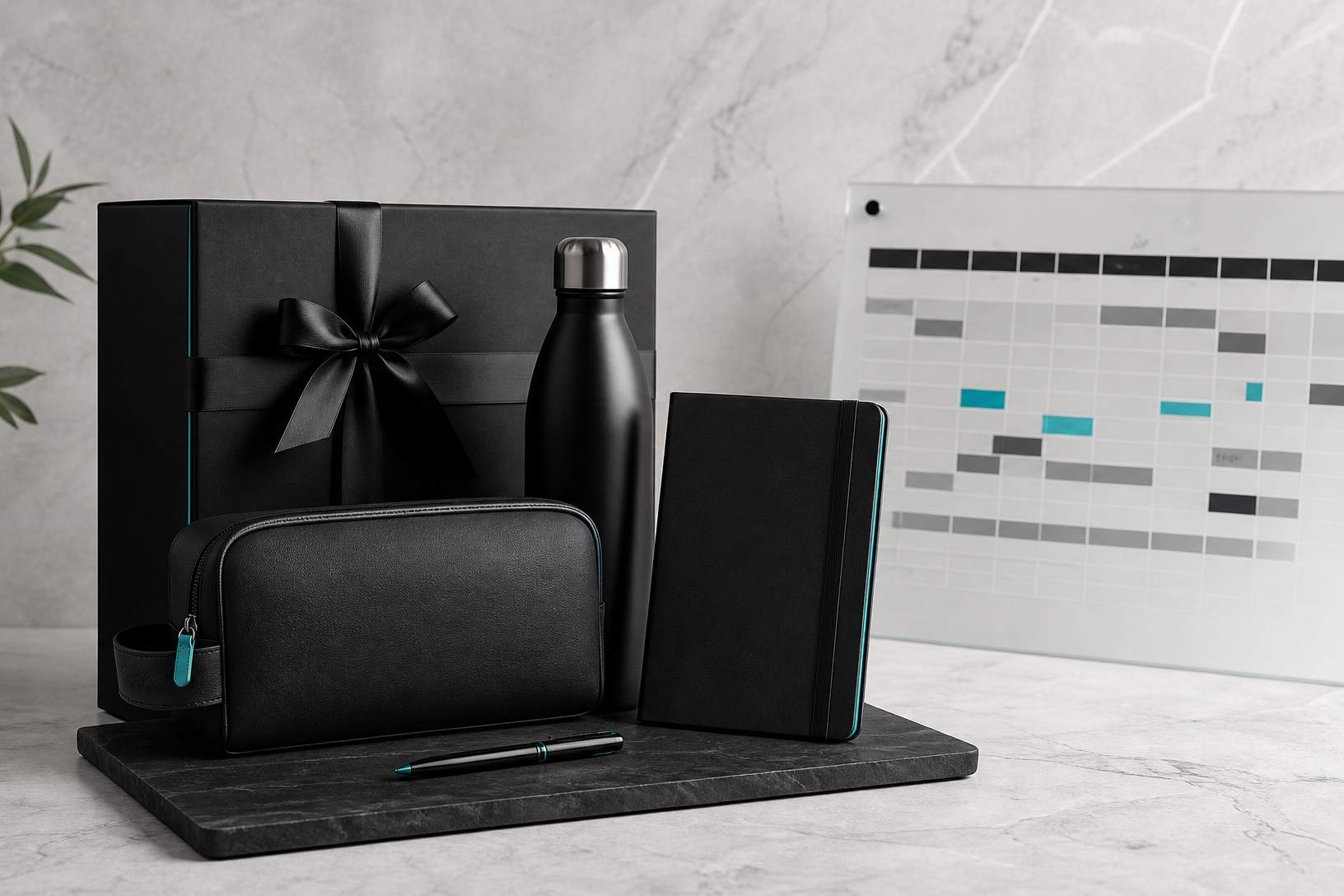
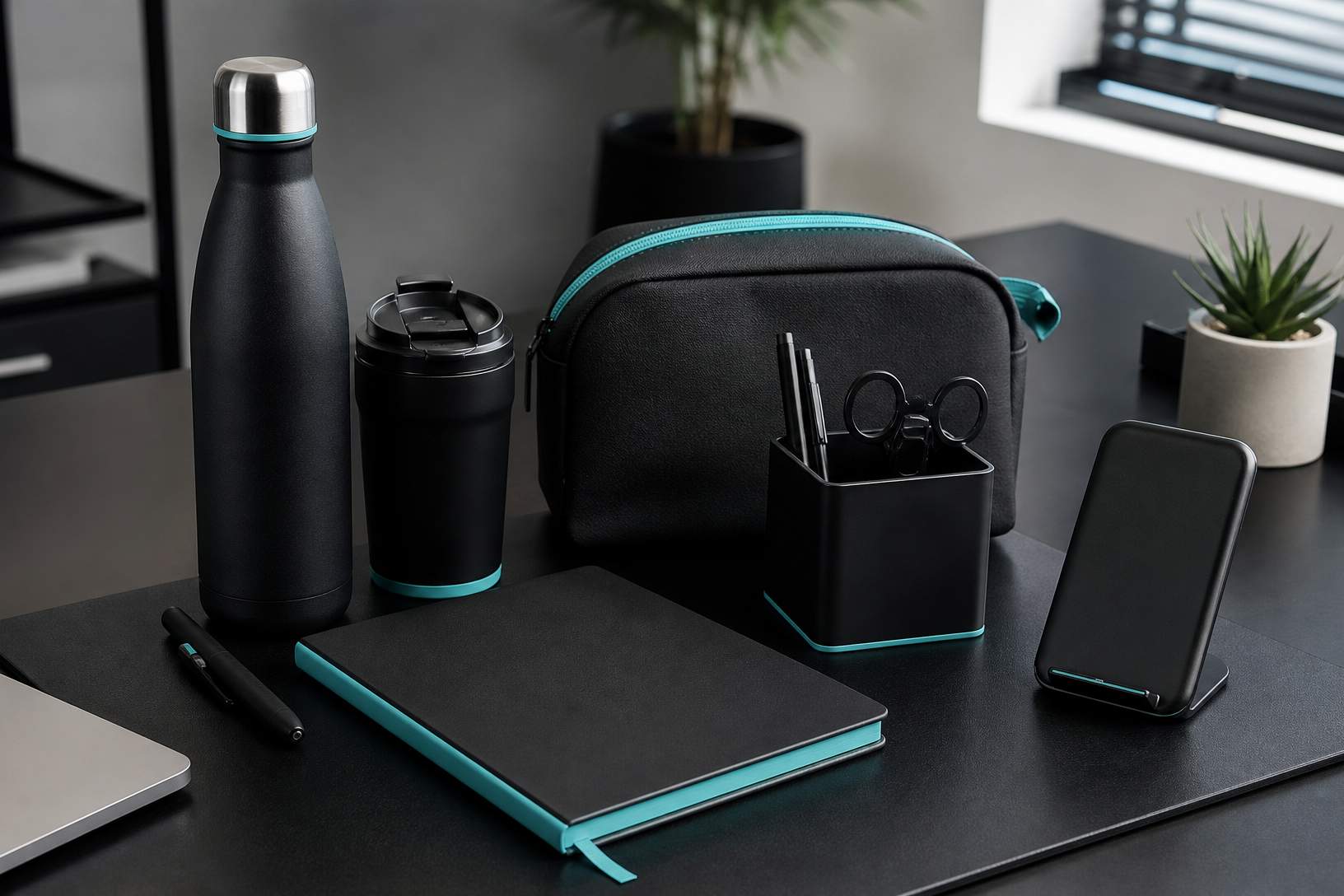
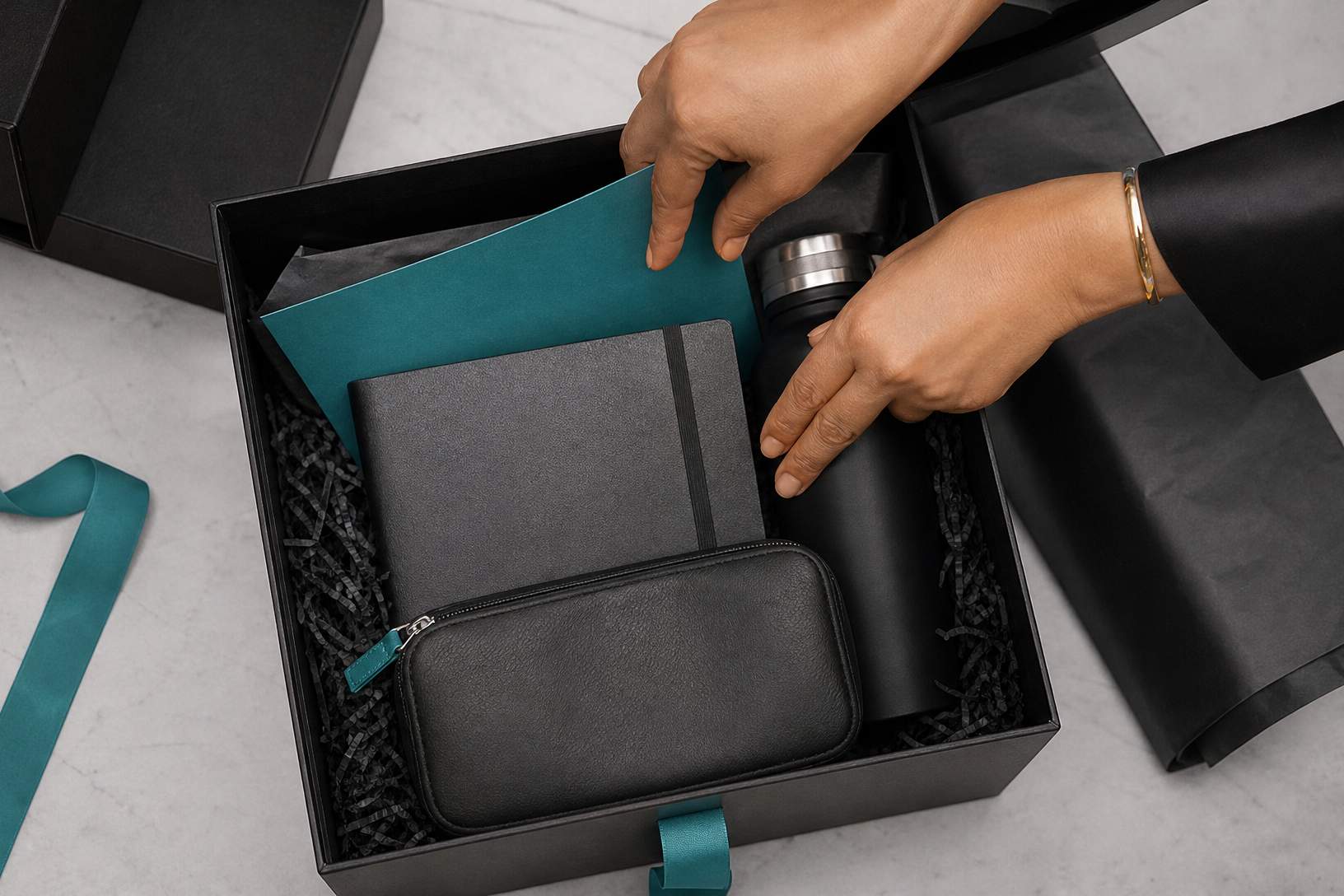
An event campaign is a common example. The team may need branded clothing for staff, corporate merchandise for attendees, a pull-up banner for visibility, printed handouts and venue signage. The products are different, but the deadline, campaign purpose and brand presentation are connected. Treating them as one requirement gives procurement and marketing a fuller view before production decisions become isolated tasks.
Three6ixty works as a Johannesburg-based full-service branding company, supporting product selection, design, branding, quotation and production coordination across corporate gifts, clothing, displays, signage, printing, graphic design, web development and digital marketing.
The useful role of a consolidated branding supplier is not to make every item identical. It is to help related physical and digital touchpoints stay aligned to one campaign requirement.
For teams formalising their branding supplier management, the Chartered Institute of Procurement & Supply outlines the procurement process as a structured cycle of identifying needs, sourcing, contracting and supplier management. That same discipline can help teams treat branded products as a managed buying activity rather than a series of disconnected requests.
When separate buying still makes sense
Some orders should stay separate. A once-off item may not justify a campaign-level process. A specialist production requirement may need a particular supplier. An urgent replacement may need to be handled immediately. A technical item may sit outside the scope of a general branding supplier.
The aim is not to remove specialist suppliers or force every branded order through one route. The aim is to recognise the difference between a truly separate purchase and a fragmented campaign. A useful test is simple: does the item share artwork, audience, deadline, delivery point or approval responsibility with other branded items? If yes, it probably belongs in the wider branding procurement process. If not, a separate route may be reasonable.
What to include in one stronger procurement brief
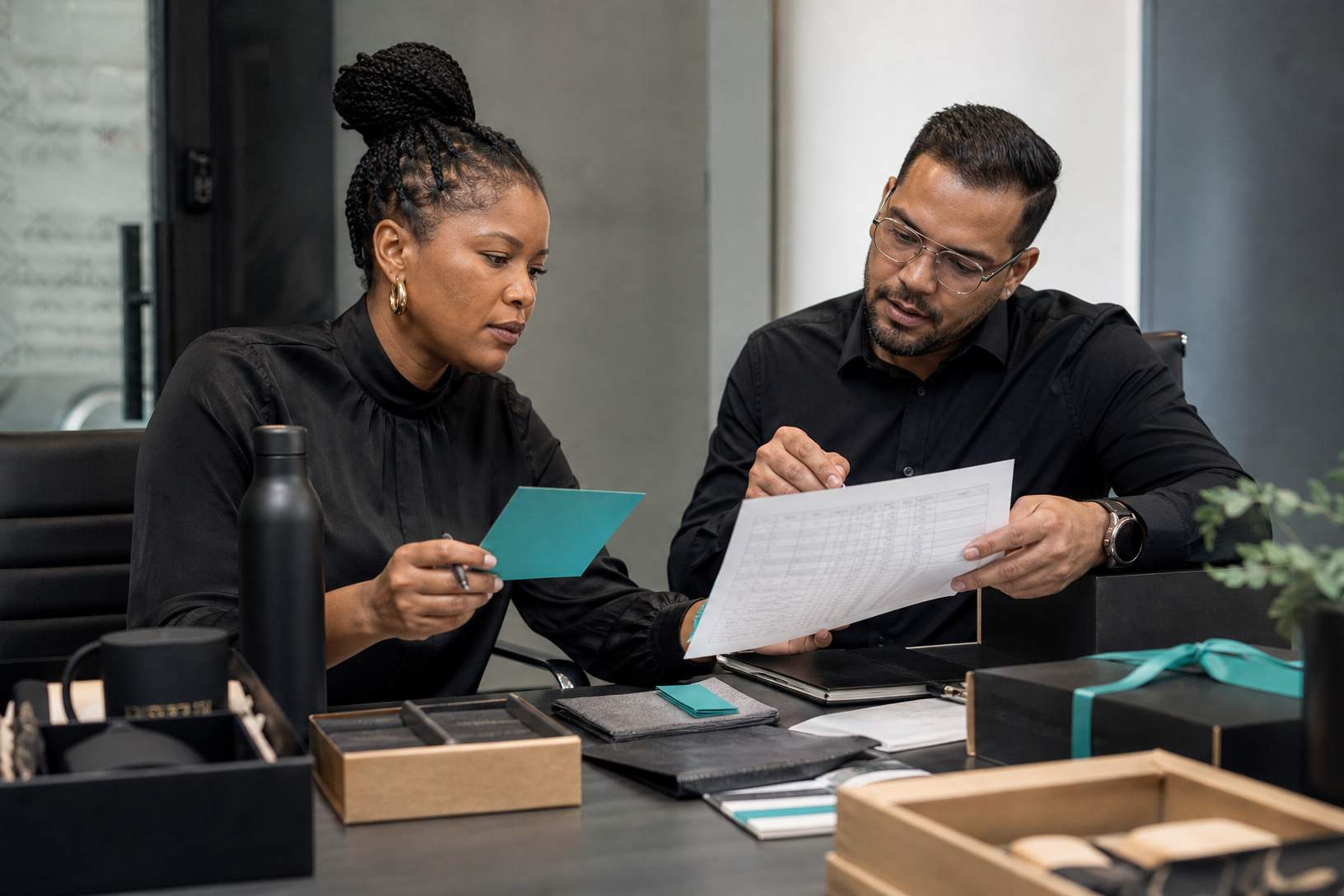
A campaign-level brief does not need to be long. It needs to give suppliers and internal stakeholders enough information to understand the full requirement before individual product choices are locked in.
Start with the campaign or use case. Is the branding for an event, branch rollout, staff requirement, client gift campaign, internal launch or marketing activation? Then list the items being considered, even if quantities are still being confirmed. Include physical touchpoints such as corporate merchandise, clothing, banners, signage, printed materials and event displays, along with any digital brand elements that affect the visual direction.
The details that usually prevent confusion are straightforward:
- Items and quantities: list each item and provide estimated or confirmed quantities where available.
- Artwork: identify the correct logo files, brand colours, existing design references and any artwork that must be matched.
- Branding positions: note where branding should appear if those decisions have already been made.
- Approval contacts: confirm who signs off product choice, artwork, budget and delivery details.
- Deadlines: separate the final campaign date from internal approval dates where possible.
- Delivery points: state whether items need to go to one address, several branches, an event venue or different internal teams.
- Repeat orders and stock control: mention whether items may be needed again, or whether existing branded items should be matched.
A brief like this gives procurement and marketing a cleaner basis for supplier discussions. It also reduces the chance of every item being technically correct, while the full set has not been reviewed as one campaign.
Judge the project cost, not only the product price
The real cost of corporate merchandise procurement and branding supplier management is not always visible on the quote. It may sit in the number of people involved, the number of proofing rounds, the number of delivery updates and the number of times the same campaign has to be explained.
Unit price still matters. So do product suitability, approval control, artwork accuracy, stock planning, delivery coordination and the way the final set of branded items presents the business. A strong procurement decision looks at both the product and the workload attached to getting it produced properly.
If your team is managing related branded items for one campaign, event, rollout or staff requirement, share the full requirement with Three6ixty. Include the items, quantities, artwork, approval contacts, deadlines and delivery points so the work can be reviewed as one connected brief.