info@three6ixty.co.za

 +27 64 525 7978

Your campaign goes to an outdoor activation on Friday and an indoor exhibition the following week. The audience may be similar, but the space is not. A branded gazebo helps define an outdoor area; a banner wall can create a backdrop inside a hall. Ordering one display as though it will solve every venue creates expensive compromises. The smarter roadshow plan begins with where the campaign will actually appear.
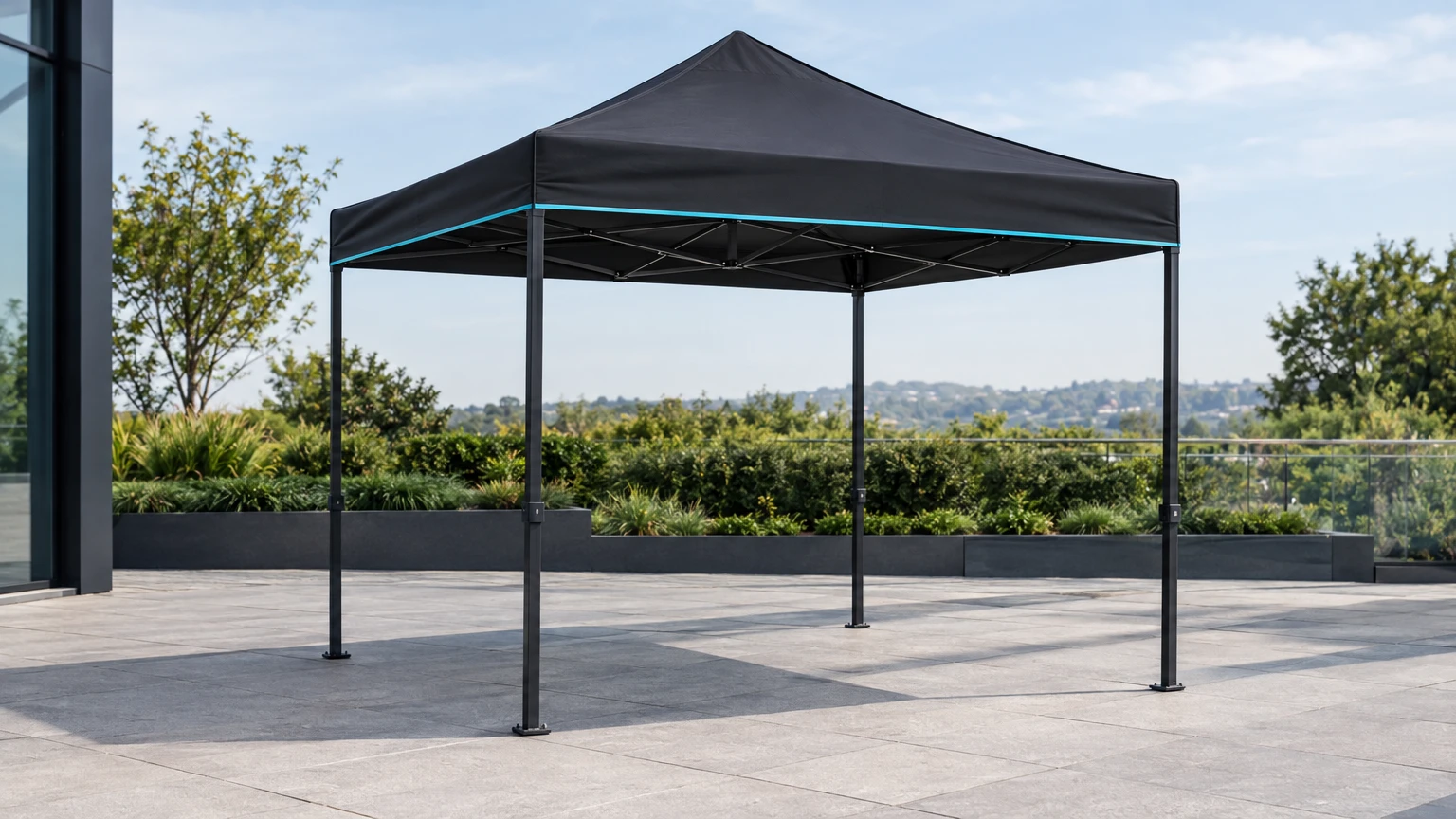
Three6ixty lists the Gazebo Aluminium Frame – Digital (240gsm Canopy) in published 3 m by 3 m and 3 m by 6 m sizes, alongside the Legend Straight Banner Wall at 3 m by 2.25 m. The products suit different settings. The choice should follow the venue footprint, visitor flow and actual specifications; one cannot simply replace the other.
One roadshow, two venues: don't order the same setup twice
Keep the campaign recognisable through approved logos, colours and one core message. The physical layout, however, needs to respond to the setting. An outdoor activation may need a clear covered area and flags; an indoor exhibition might need a flat backdrop and a counter. Design consistency does not mean forcing every surface to look identical.
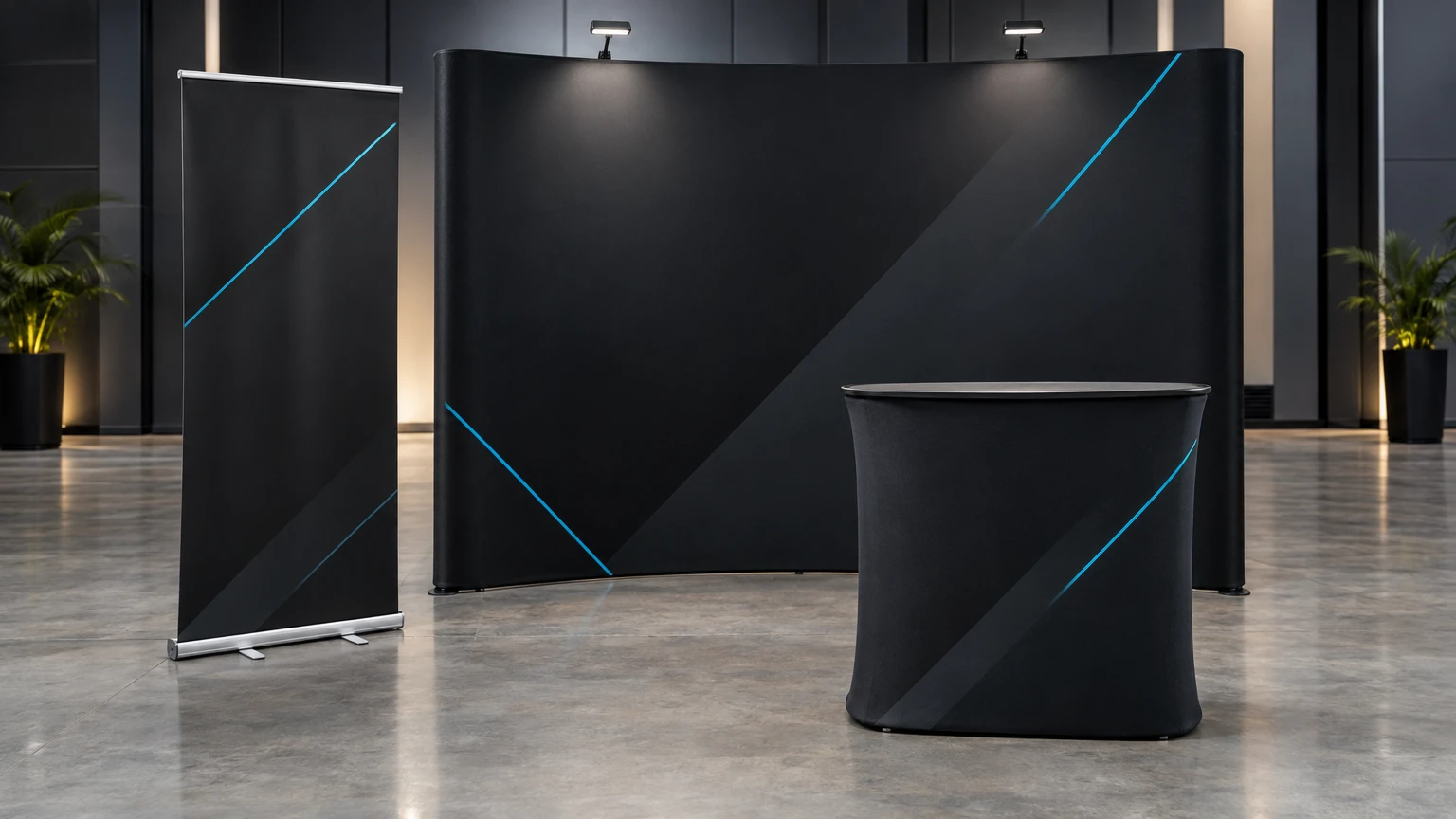
In the illustrative outdoor setting, the gazebo might establish the activation area and give visitors an obvious place to approach the team. Indoors, the same campaign may be presented against a banner wall, with a counter positioned for conversations. The display mix changes because the spaces and interactions are different; the identity connecting them should not.
Planning the venues together also makes gaps easier to spot. If one supplier receives an old logo and another works from a newer campaign file, the finished pieces may look unrelated even when each is well made. A shared set of approved assets and a clear artwork brief give everyone the same starting point.
Outside: when a branded gazebo makes sense
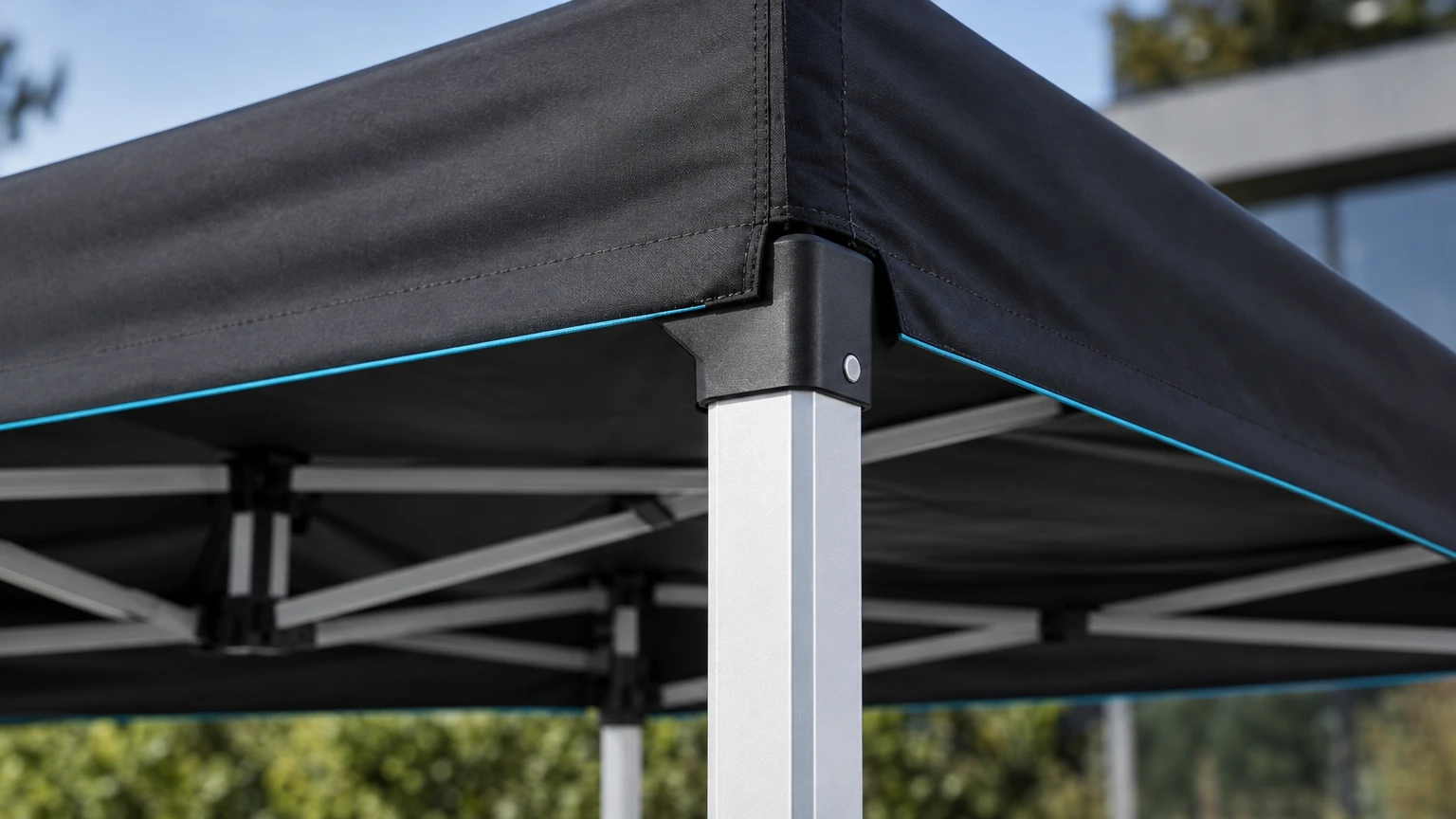
The branded gazebo is a structure that can establish the activation space. Three6ixty's catalogue lists an aluminium frame and digital 240 gsm canopy, with format options that need to be checked on the product page. Before selecting one, ask about the venue's footprint, access, placement rules and wind or weather requirements. Never assume a canopy is suitable for every outdoor condition without checking its actual rating and setup guidance.
What should visitors see from the approach?
Printed flags can support the gazebo’s presentation when their placement and artwork are considered together. Look at the likely approach routes and sightlines: what will visitors see first, and where might people or other structures interrupt the view? A short, prominent message may be more useful at the edge of the activation than a detailed block of copy.
Closer to the gazebo, supporting panels or printed material can provide more information. Decide which surfaces should carry the main branding and which can support the conversation once a visitor arrives. This gives the team a way to organise messages across the space rather than competing for attention on every available surface.
Venue rules can make or break the gazebo choice
A gazebo that fits in the event photograph may not fit the allocated space. Confirm the size, access route, assembly requirements and relevant venue permissions before ordering. The frame and canopy are not just branding surfaces; they are physical equipment requiring appropriate setup.
It is also worth identifying which elements need to travel to the indoor event. The gazebo may be specific to the outdoor venue, while approved artwork, staff clothing or printed materials could be used at both. Confirm those decisions before production so shared items work across the roadshow, not just at the first stop.
Inside: where a banner wall wins the space
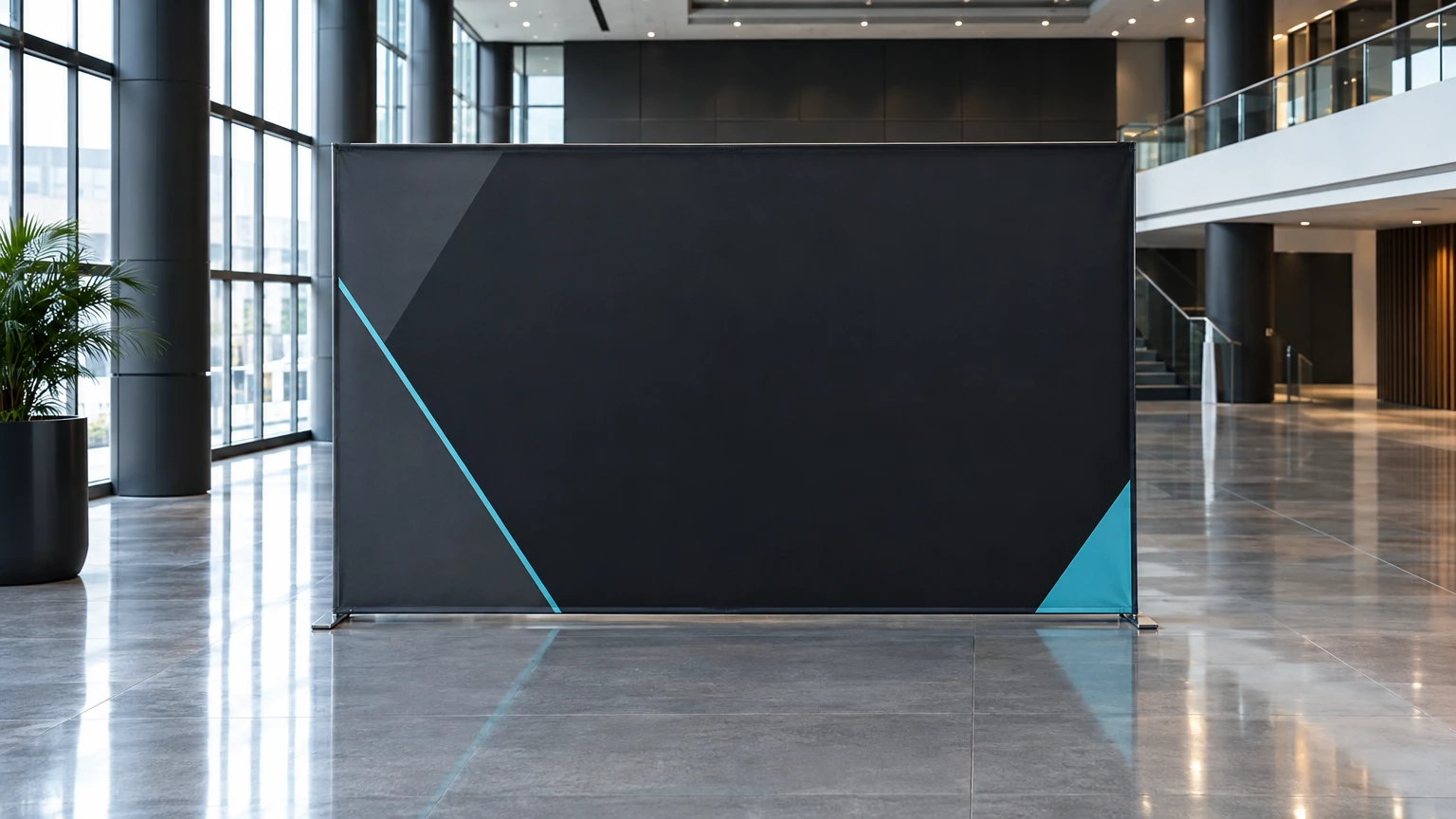
The Legend Straight Banner Wall offers a 3 m by 2.25 m backdrop for an indoor exhibition setting. It can support an identifiable campaign message behind a reception or conversation area without taking the same form as an outdoor canopy. A banner wall still requires a suitable footprint, artwork and approved placement. It does not replace the need to check venue dimensions or access.
A banner wall is a backdrop, not an outdoor roof
Different products should not be described as interchangeable. A gazebo can help establish a covered outdoor zone; a banner wall provides a vertical branded surface. Their performance depends on the chosen model and conditions, and any claim about weather suitability or stability should be checked with the product specifications.
The indoor artwork does not have to copy the outdoor arrangement. A wide gazebo panel and a flatter banner wall offer different spaces for a designer to work with. The composition can change while the campaign’s approved colours, imagery, logo treatment and headline style remain consistent. That shared visual language helps the two appearances feel connected.
Review the scale and placement of each message for its new setting. A headline that has room on one surface may need a different arrangement on another, while smaller details may be better suited to a handout or counter conversation. Give the designer the intended use and dimensions of each display so the artwork can be adapted with purpose.
Measure the hall before designing the wall
Confirm the indoor footprint, placement options and access before finalising the display plan. Where will visitors enter and pause? Is there room for a backdrop behind the team and a counter in front without obstructing movement? Check the dimensions of the proposed items against the usable space, not only the overall size of the room.
Ask the venue about any relevant requirements for display placement, access or approvals. These details can influence the artwork and production brief as well as the setup plan. A conversation early in the process gives your team a chance to adjust the arrangement before committing to pieces that may not suit the space.
Make both displays look like one campaign
A roadshow needs recognisable artwork, not a single file stretched across incompatible products. The canopy, wall, flags and counter can share the campaign colours and typography, but the layout should be adjusted for each viewing distance and surface. A message suitable for a wide backdrop may need to be shorter on a narrow supporting banner.
Then align the artwork and specifications across the set. Share the same approved CI assets with everyone involved, along with the relevant dimensions, intended use and messaging priorities for each item. A staff shirt, a gazebo and a banner wall do not need identical designs, but their colours, branding and overall presentation should clearly belong to the same campaign.
Finally, review the proofs and confirm production details before giving approval. Check each item on its own, then consider how the pieces will look together at each venue. Confirming the details at this stage helps the team resolve inconsistencies and make informed choices before the roadshow materials are produced.
The ordering brief should separate indoor and outdoor needs
List each venue, date, available footprint, display type, required artwork and relevant restrictions. Confirm whether the same team will transport the products between events and what the chosen equipment includes. The supplier can then assess whether a gazebo, banner wall or combination is suitable for each stop.
- Dates and venues: Confirm each event date, location and relevant venue requirements.
- Audience and use: Describe who will attend and what staff and visitors need to do at each activation.
- Space and dimensions: Check the usable footprint, access routes, placement and proposed display sizes.
- Quantities and artwork: List the items needed and provide approved CI assets, campaign files and messaging.
- Production choices: Discuss suitable materials and branding methods for each application.
- Movement and budget: Consider transport or packaging needs between venues and set a realistic project budget.
The checklist should clarify decisions rather than lock the campaign into assumptions. One roadshow may need a larger outdoor presence; another may prioritise conversations in indoor spaces. The right mix depends on the brief, venue requirements and available options. Keeping those considerations together also makes it easier to review changes if a venue or campaign requirement shifts.
Match your roadshow displays to each venue.
Planning indoor and outdoor activations? Share your venue sizes, event dates and approved artwork. Three6ixty can help you compare branded gazebos and banner walls for the campaign.