info@three6ixty.co.za
 +27 64 525 7978
The logo sits perfectly inside the brand guide. The colours are signed off. The campaign look has been approved. Then someone walks past reception and sees the old identity still on the wall. Staff are wearing the previous uniform. Vehicles are moving through town with outdated branding. Stationery, event displays and branch material have not caught up.
That gap is where brand implementation begins.
A brand implementation company helps turn approved brand rules into consistent real-world materials across the business. It does not replace the strategy, naming or logo design process. It takes the approved corporate identity and applies it to the places where customers, employees and suppliers actually meet the brand.
That work is detailed. It includes format decisions, artwork adaptation, production coordination, proofing, rollout planning and asset control. Most importantly, it recognises that a brand is not finished because it has been approved in a presentation. It becomes useful when it can be applied clearly across signage, uniforms, stationery, vehicles, event materials, websites, digital platforms and branch rollouts.
What a Brand Implementation Company Actually Does
A brand implementation company turns approved brand guidelines into consistent physical and digital materials across the business. It helps interpret the rules, prepare usable artwork, coordinate production and keep branded touchpoints aligned during rollout.
That sounds simple until the identity leaves the brand guide. A logo that works neatly on a presentation slide may need different treatment on a reception sign, a vehicle panel, an embroidered staff shirt, a pull-up banner or a website header. Scale changes. Viewing distance changes. Surfaces change. The amount of information that can be shown changes too.
Corporate brand implementation is the discipline of keeping the identity recognisable while adapting it to real use. The goal is not to place the logo on everything as quickly as possible. The goal is coordinated branding that protects the approved look while making it practical for everyday business life.
Why Approval Is Only the Starting Point
Brand approval usually happens in a controlled room. The options are compared, the preferred direction is selected and the final files are signed off. Everything looks organised because the brand is still contained.
Rollout is messier. Old files may still sit on desktops. Previous templates may still be used by sales teams. Branches may have different signage conditions. Stockrooms may hold boxes of old stationery or promotional items. Vehicles may need to be scheduled individually. Websites and digital platforms may be managed by a different team from print or signage.
Without a realistic implementation schedule, a business can end up showing two identities at once. A customer sees the new website, then arrives at a branch with old signage. Staff wear updated clothing, but invoices and presentation folders carry the previous logo. Event material uses the campaign look, while the reception area still reflects the old corporate identity.
Start With the Touchpoints People See First
The first rollout question is not, “What can we brand?” It is, “What must people see correctly first?”
High-visibility items often deserve early attention because they shape the immediate impression of the business. Reception signage, building signage, vehicle branding, branch signage and event displays make the new identity public. They also expose inconsistency quickly when old and new branding appear side by side.
When signage is part of the rollout, it needs more thought than simply enlarging the logo. A reception sign, building sign, vehicle graphic or branch application must work at the right scale, in the right position and in the right context. Three6ixty’s Signage Solutions support this high-visibility part of implementation where business presentation is most exposed.
Employee-facing items matter as well. Uniforms, workwear and branded staff clothing bring the identity into daily operations. They affect how teams appear at reception, on site, at events and in customer-facing environments. When Corporate Clothing forms part of a rollout, it should be planned with the same brand control as signage, print and digital material.
Different businesses will prioritise different touchpoints. A branch-based company may begin with customer-facing signage and staff presentation. A business preparing for an exhibition may need event materials first. A sales-led team may need updated stationery, profiles and digital assets before less visible items are replaced.
Guidelines Still Need Practical Interpretation
Brand guidelines set the rules. Implementation makes them work.
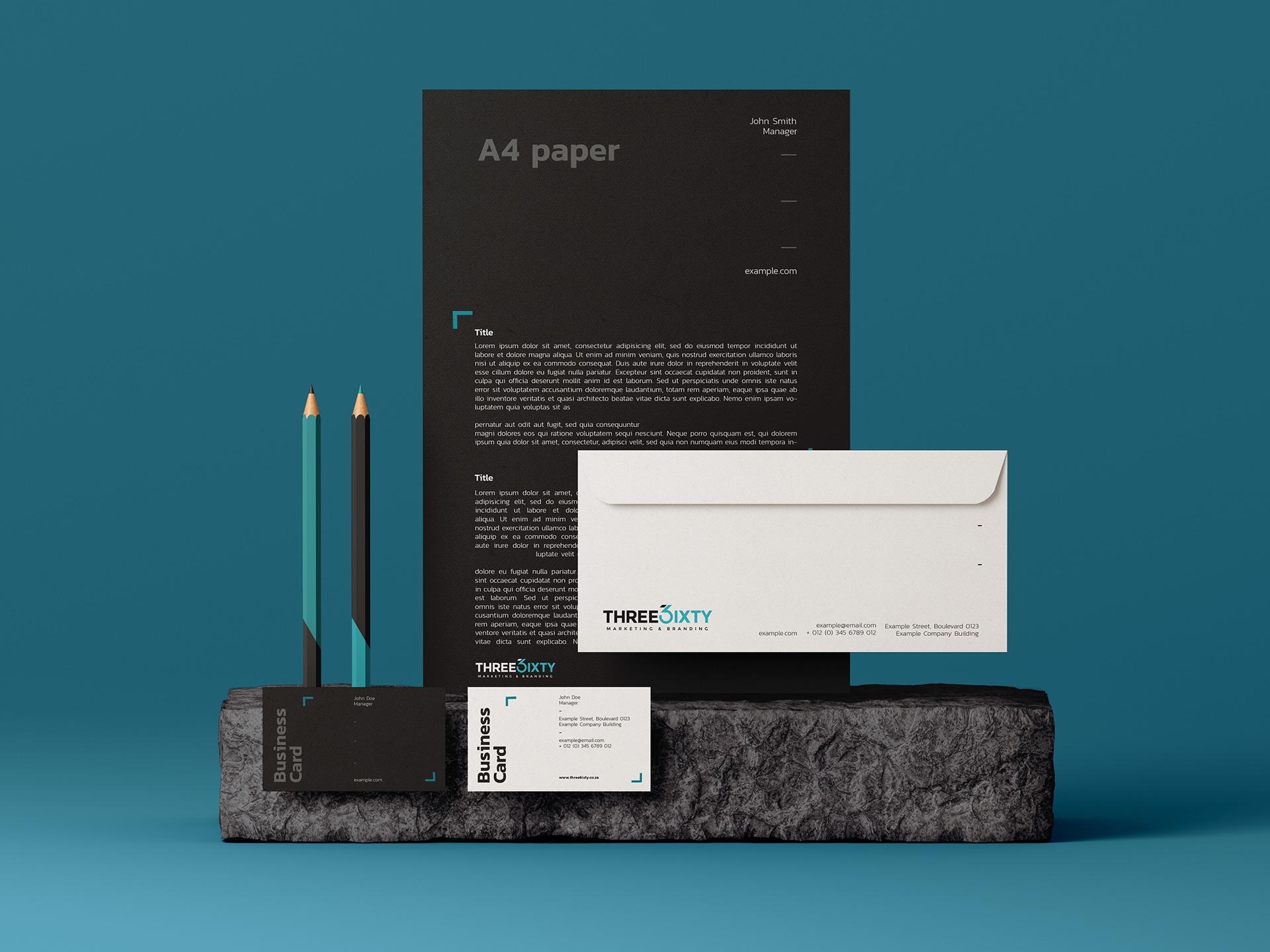
Turning brand guidelines into materials involves decisions about spacing, layout, logo placement, colour use, message hierarchy and format. A letterhead is not a pull-up banner. A website banner is not a vehicle door. A branch entrance sign is not a staff shirt. Each item needs to carry the same identity without pretending every surface behaves the same way.
Printed materials are often among the first items that need attention because they move through daily communication. Stationery, brochures, company profiles, sales material and customer documents can keep an old identity alive long after a new one has been approved. Coordinating Printing Services within the wider rollout helps these pieces follow the same approved visual direction.
Digital platforms need the same attention. A website may be the first place a customer experiences the updated brand, but it can easily become disconnected if it is handled separately from physical materials. When Web Development sits inside the brand rollout conversation, the online presence can be considered alongside signage, clothing, print and event material rather than treated as a separate visual world.
A Good Rollout Does Not Replace Everything at Once
Controlled implementation is not the same as immediate replacement. Many businesses do not need, or cannot sensibly manage, a full overnight change across every branded item.
A stronger approach is to separate urgent, visible and operational touchpoints from items that can be phased in later. Some materials may need to be ready for a public launch, customer event or branch update. Others can change as stock is used, vehicles are scheduled, teams receive new clothing or digital content is refreshed.
Existing branded stock needs careful handling. Throwing everything away is not always practical. Letting outdated material remain in public use for too long can also weaken the rollout. The useful question is more specific: what can be used up quietly, what should be removed from customer-facing spaces and what must be replaced before the new identity is actively promoted?
A rollout schedule gives these decisions structure. It can define what is needed for the first phase, what follows later and which items can be updated during normal replacement cycles. It also helps internal teams understand when artwork must be approved, when quotations need to be considered and where production coordination fits into the wider business rebrand implementation plan.
Approval Ownership Keeps the Brand From Drifting
Brand drift often starts quietly. One team uses an old logo file. Another adjusts a colour to suit a document. A branch orders material from a previous template. A supplier receives the wrong artwork. None of these mistakes may feel large on their own, but together they dilute brand consistency.
Before production begins, the business should know who owns approval. Someone needs to check artwork, review supplier proofs, confirm brand use and make the final decision when a format requires adaptation. Clear ownership does not have to slow the rollout. It usually prevents delays because people know where decisions sit.
Asset control matters just as much. Approved logos, artwork files, templates, colour references and messaging should be easy for the right people to access. Old files should be removed, archived or clearly marked so they do not keep circulating. A brand rollout company can help with practical production and coordination, but the business still needs internal control over what is approved and what is outdated.
Why One Brand-Aware Supplier Can Simplify the Process
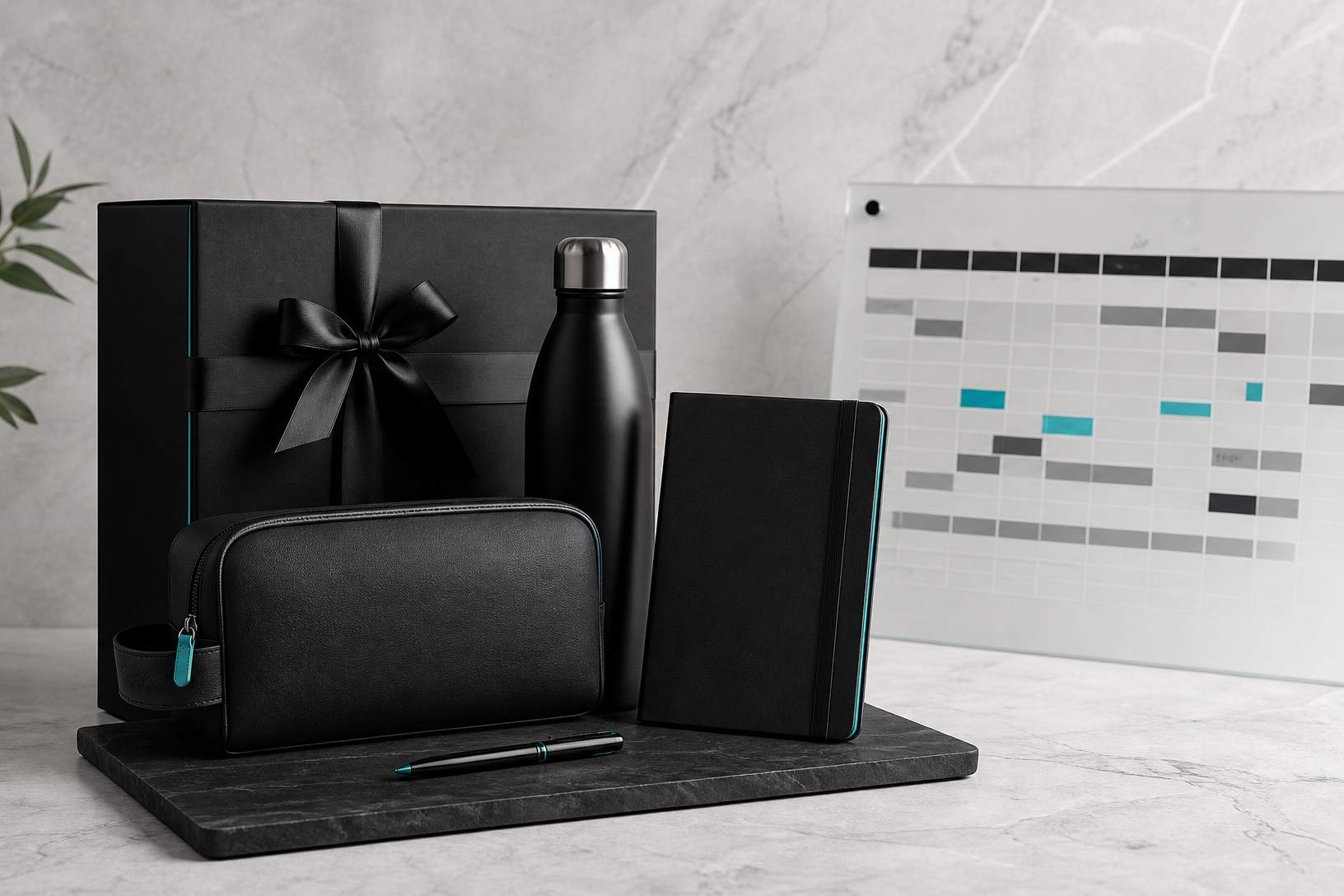
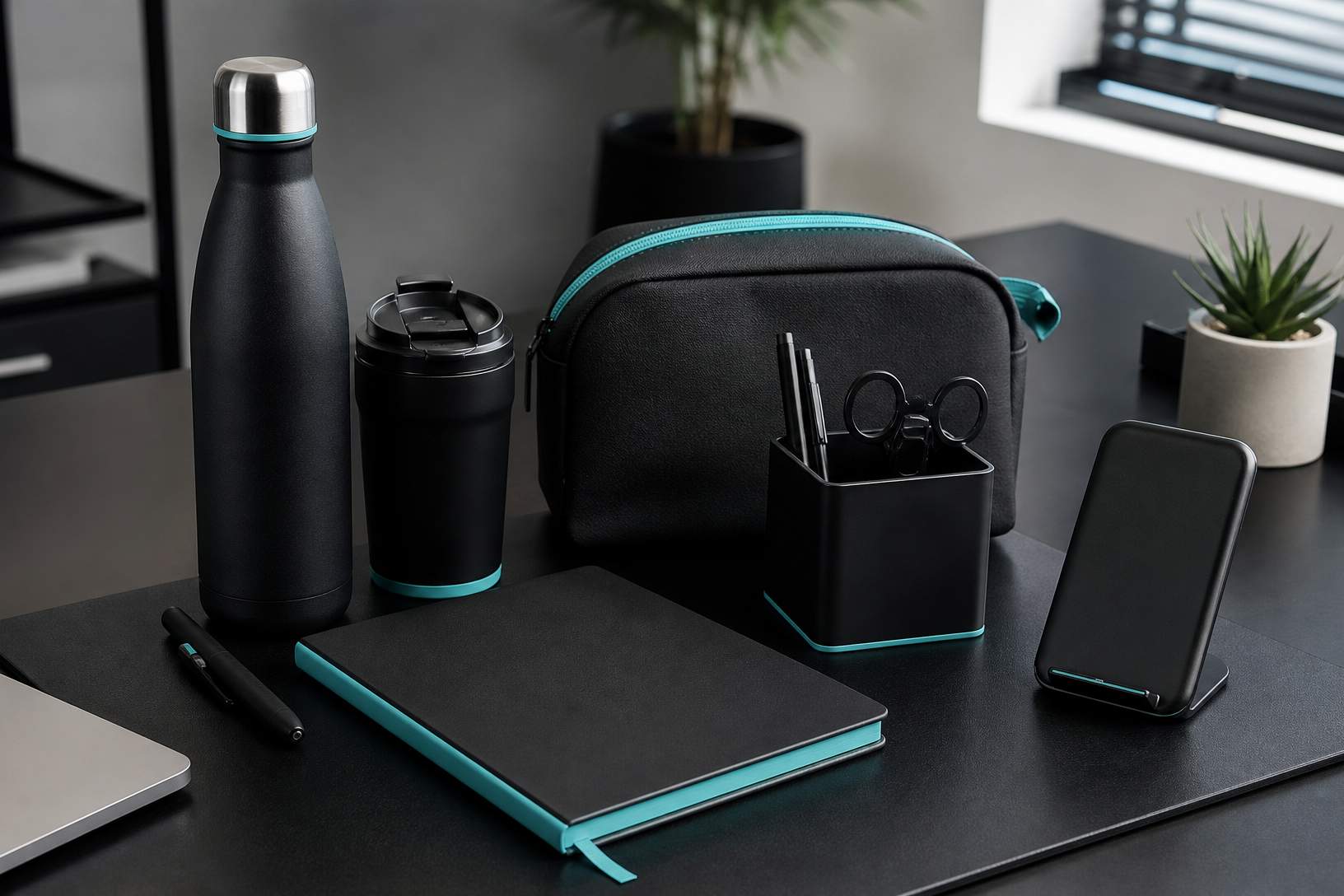
Brand implementation often crosses several production categories at once. A single rollout can involve signage, corporate clothing, corporate gifts, printing, displays, graphic design, web development and digital marketing. When each item is handled in isolation, consistency becomes harder to protect.
Three6ixty is a Johannesburg-based full-service branding, marketing and event-branding supplier. Its positioning is “Your Brand, One Supplier, Every Solution.” For businesses moving from approved identity to practical rollout, a brand-aware supplier can help keep logos, colours, messaging and presentation aligned across touchpoints.
That does not mean every item must be produced at once. It means the rollout can be viewed as one coordinated branding process instead of a collection of disconnected orders. Depending on the requirement, the process may include product browsing, catalogue selection, design and branding consultation, quotation, production coordination and enquiry-led service delivery.
For businesses planning a coordinated rollout, Three6ixty’s Brand Implementation Services connect the approved identity to the materials, displays, clothing, print and digital assets that carry it into the business environment.
What to Prepare Before You Start
The smoothest rollouts usually begin with clear information. Before production decisions are made, gather the details that explain the identity, the business environment and the order of priority.
- The approved brand guide: Include logo files, colour rules, typography guidance, layout examples and any corporate identity or campaign instructions that have been signed off.
- Your branded touchpoints: List where the brand appears now, including reception areas, vehicles, uniforms, stationery, event materials, websites, digital platforms and branch material.
- Priority items: Separate what must be ready first from what can be phased into later stages.
- Branches or business locations: Note where materials will be used so the rollout can account for different sites, teams or customer-facing environments.
- Existing stock considerations: Confirm what old branded material still exists and whether it should be used up, replaced, removed or phased out.
- The intended rollout date: Share the date you are working toward while allowing different items to follow different production paths.
- Approval contacts: Decide who reviews artwork, who checks brand consistency and who signs off proofs before production.
This preparation gives the implementation conversation a practical starting point. It also reduces rushed decisions later, when artwork, quotations, production coordination and rollout timing need to line up.
The Brand Is Real When People Use It Consistently
A brand does not become consistent because the identity has been approved. It becomes consistent when the approved identity is applied carefully across the places people see, wear, read, drive past, open, share and use.
That is the value of implementation. It connects the brand guide to the customer experience, the staff experience and the everyday materials that carry the business forward. It asks what must change first, what can wait, who approves the work and how old assets will be controlled before they continue to appear in the market.
If your business is preparing for a rebrand, campaign rollout or corporate identity update, begin with the approved brand guide and priority touchpoints. Add your branches or business locations, existing stock considerations and the rollout date you are working toward. From there, Three6ixty can help shape a coordinated brand implementation enquiry that turns an approved identity into practical branded materials across the places your business is seen.